STEEL TOWER
Steel Tower

Steel Water Tower Components

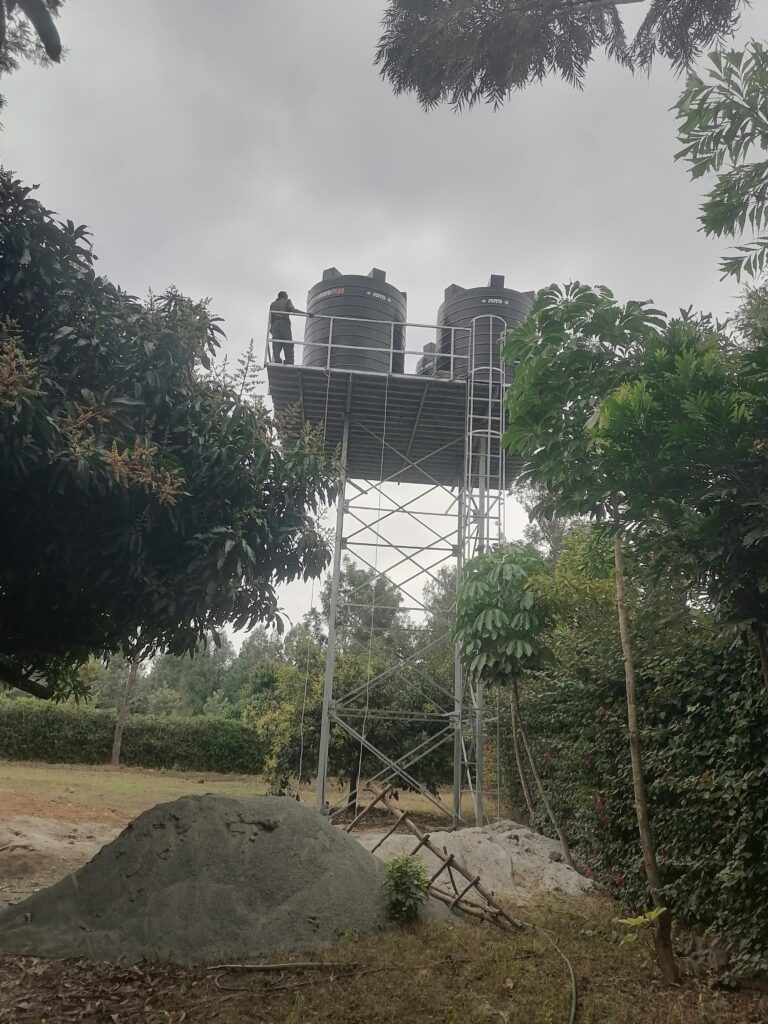
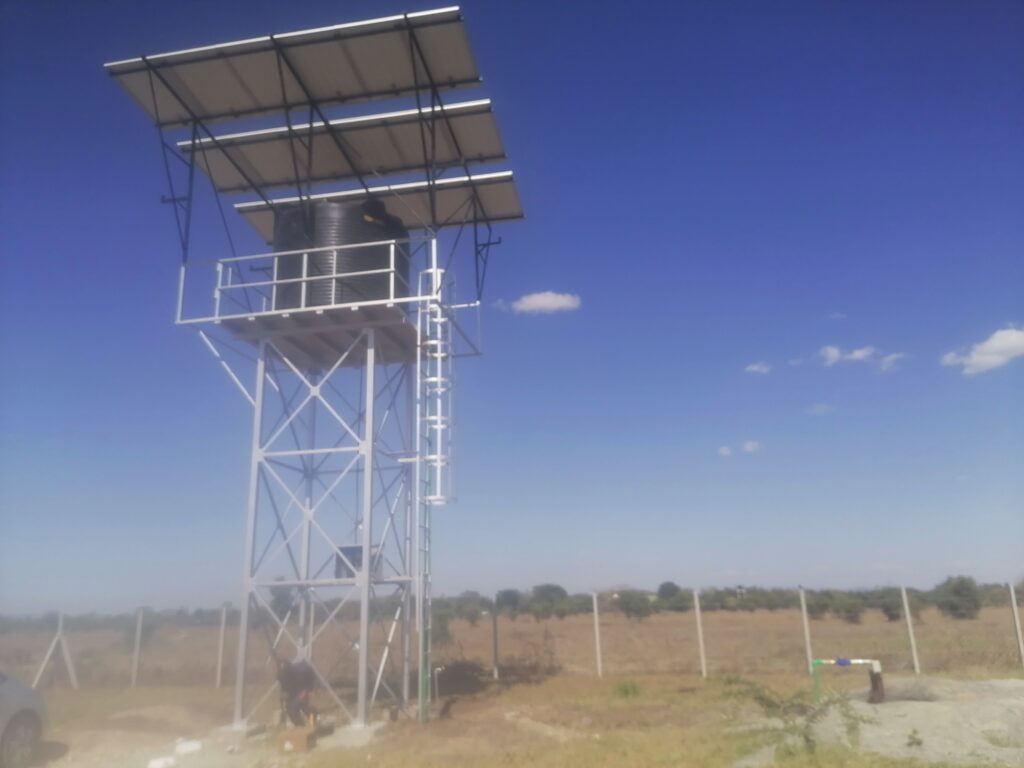
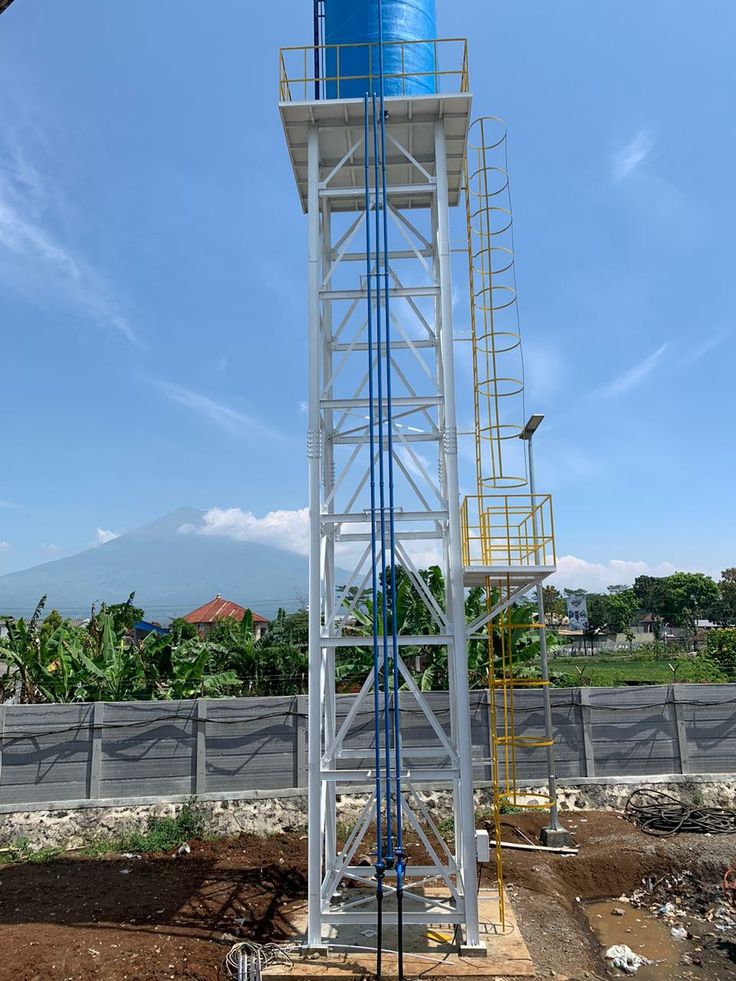
A water tower looks like a tank on a stand, but it is a system of structural, hydraulic, electrical and safety parts that must work together. If one fails, the others suffer: a clogged vent can collapse a tank, a stuck float valve can flood the foundation and a missing earth rod can leave a
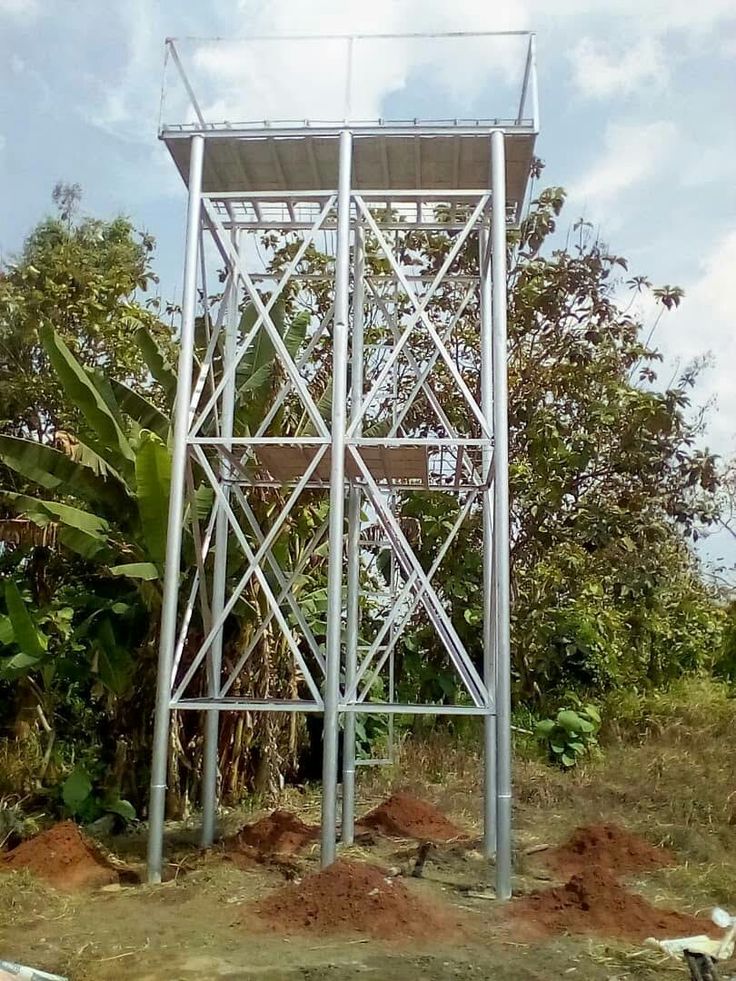
Monopole and Guyed Supports for Water Tanks
Steel Tower

Monopole and Guyed Supports for Water Tanks

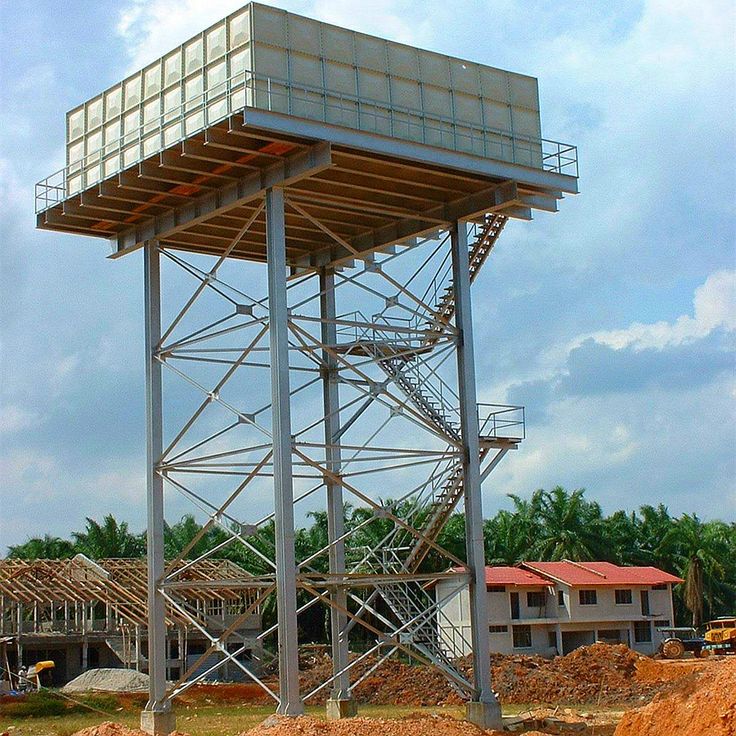
Choosing the right support structure is one of the first decisions in any elevated water storage project. The tower has to carry a very heavy tank, resist wind and earthquakes, fit the site and the budget, and sometimes look acceptable to neighbours. This article compares the three families of steel supports, lattice (braced-leg) towers, monopole

Steel Water Tower Cost
Steel Tower

Steel Water Tower Cost

“How much does a tower cost per metre?” is one of the first questions clients ask, and one of the hardest to answer with a single number. Price per metre varies widely because towers are engineered products: a 30 m monopole in a city, a 60 m lattice tower on a windy ridge and a

steel tank tower
Steel Tower

Tower Erection Methods and Safety Procedures

Erecting a steel tower combines heavy lifting, precision assembly and work at height, usually on a remote or constrained site. Done well, it is a controlled, repeatable process. Done badly, it is among the most dangerous activities in construction. This article explains the main erection methods, how to choose between them and the safety procedures

Steel Tower Fabrication Process
Steel Tower

Steel Tower Fabrication Process

A tower is only as good as the workshop that makes it. Even a perfect design will fail to perform if members are cut to the wrong length, holes are misaligned, welds are defective or coatings are thin. Fabrication turns drawings into physical steel, and quality control (QC) makes sure the result matches the design

Galvanized tank
Steel Tower

Hot-Dip Galvanizing for Steel Towers

A steel tower should serve for 30 years or more with little maintenance. In most cases, that long life is made possible by one process: hot-dip galvanizing. By coating steel with a metallurgically bonded layer of zinc, galvanizing protects against rust both as a barrier and through sacrificial action. This article explains how the process

Wind Load Calculation for Towers
Steel Tower

Wind Load Calculation for Towers

Wind is the dominant load on almost every telecom or broadcast tower. A small error in wind calculation can mean an unsafe structure or an unnecessarily expensive one. Two design frameworks are widely used around the world: ANSI/TIA-222 in North America and many telecom projects globally, and the Eurocode system (EN 1991-1-4 for wind actions

Steel Tower Foundation Types and Selection
Steel Tower

Steel Tower Foundation Types and Selection

The tower steel gets the attention, but the foundation does the hardest job: it takes every force the structure collects and passes it safely into the ground. A well-chosen foundation is invisible and trouble-free for decades. A poorly chosen one leads to tilting, cracking, cost overruns and sometimes collapse. This article explains the main foundation

Steel Water Tower Cost?
Steel Tower

Transmission Line Towers

Electricity generated at geothermal, hydro, wind and thermal plants must travel long distances before it reaches homes and factories. Transmission line towers make that journey possible by holding high-voltage conductors safely above ground. Kenya’s grid, from the 132 kV and 220 kV lines that tie the regions together to the 400 kV and 500 kV

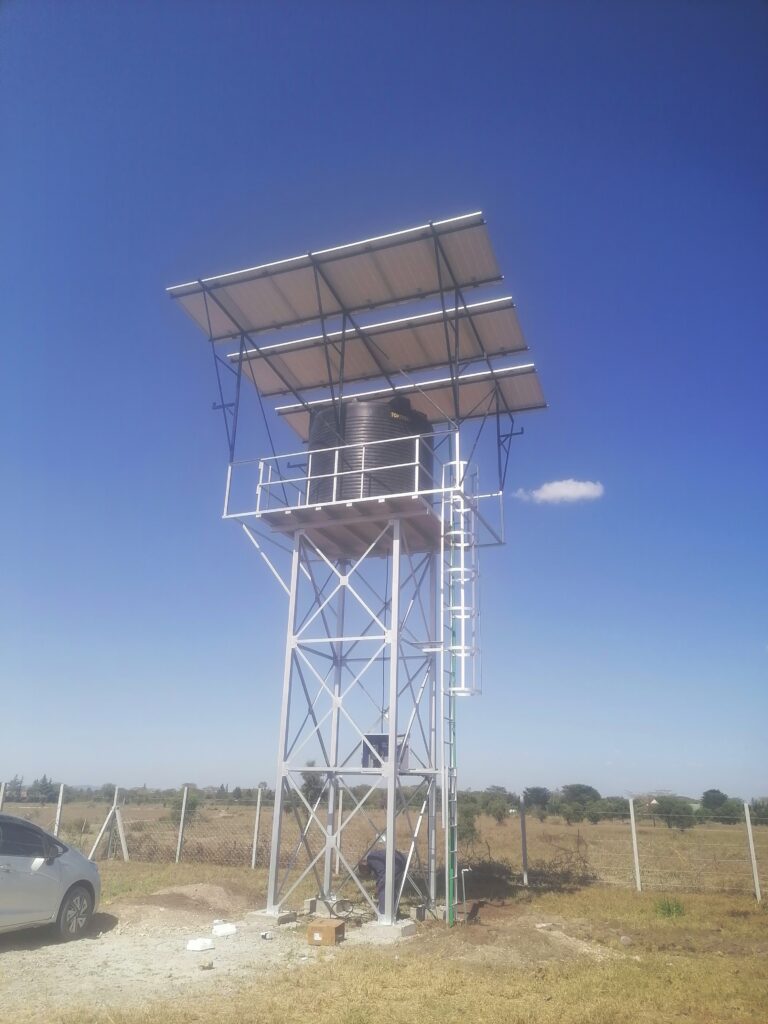
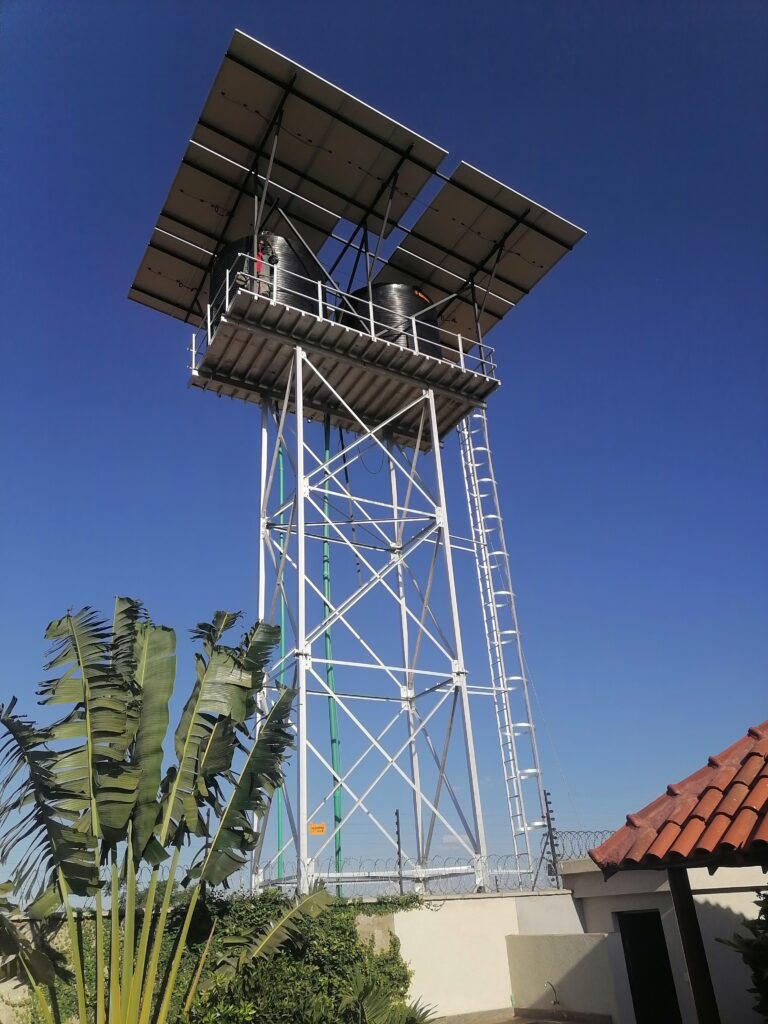
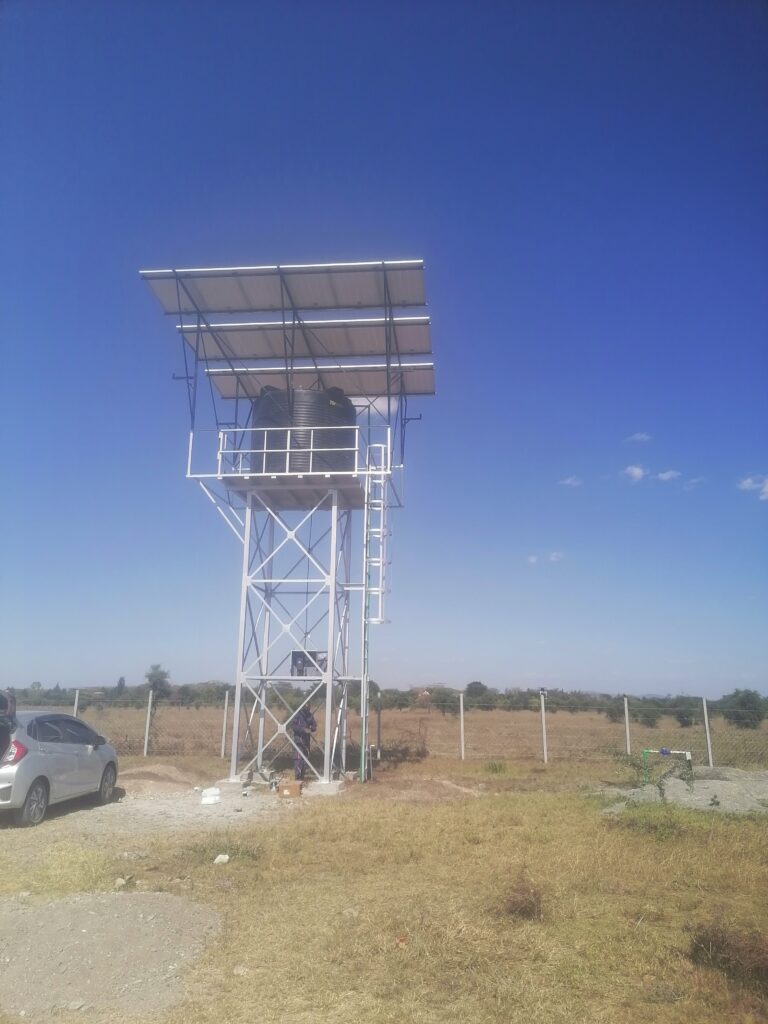
Water Tower and Solar Upgrades
Steel Tower

Telecom Tower Components and How They Work

A telecom tower is far more than a tall steel frame. It is a system in which structure, antennas, cables, power, earthing, lighting and safety equipment all work together to keep a signal moving. Understanding each component helps operators, landlords, site managers and engineers communicate better, plan upgrades and avoid expensive mistakes. This article walks

Safety Standards for Water Tower Construction
Steel Tower

Lattice, Monopole and Guyed Towers

Choosing the wrong tower type is one of the costliest early mistakes in a communications or utility project. Lattice, monopole and guyed towers all hold equipment in the air, but they differ widely in footprint, cost, appearance, height capability and maintenance needs. This article compares the three, explains where each performs best, and gives a

The Complete Guide to Steel Water Towers: Types, Design and Construction
Steel Tower

The Complete Guide to Steel Towers

Steel towers are the quiet backbone of modern infrastructure. They carry the antennas that keep mobile networks connected, the conductors that move electricity from power stations to cities, the floodlights that light stadiums and ports, and the sensors that monitor wind and weather. In East Africa, where mobile coverage, rural electrification and geothermal power are

Lightning Protection and Earthing for Water Towers
Steel Tower

Elevated Water Tank Types and Design Basics

The tower gets the attention, but the tank is what stores the water, and its type decides weight, cost, water quality, lifespan and how the tower must be designed. This article explains the main tank types used on steel water towers, how storage volume and height are sized, and the structural and hydraulic basics every

Corrosion Prevention and Maintenance for Steel Water Towers
Steel Tower

Steel Water Tower Foundation Types and Selection

A water tower is one of the heaviest structures per square metre that a small foundation ever has to carry. A 50 m³ tank holds about 50 tonnes of water before the steel is counted, and all of that load concentrates on a few footings high above the ground. At the same time, when the

Water Tower Permitting and Compliance in Kenya
Steel Tower

Wind Load Calculation for Water Towers

Wind is usually the controlling lateral load on an elevated water tower. The tank is a large, bluff body perched high above the ground, and the pressure there is far greater than at ground level. Add a solar panel array and the wind area grows again. Getting the wind calculation right protects the tower from

Scroll to Top