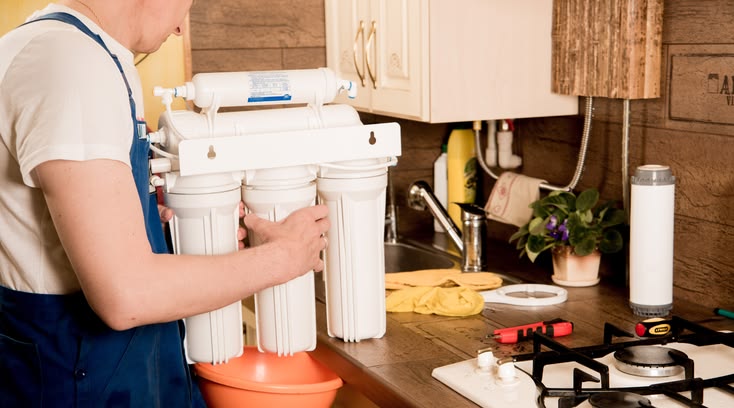
Reverse Osmosis Systems for Commercial
Reverse Osmosis

Reverse Osmosis Systems for Commercial Use

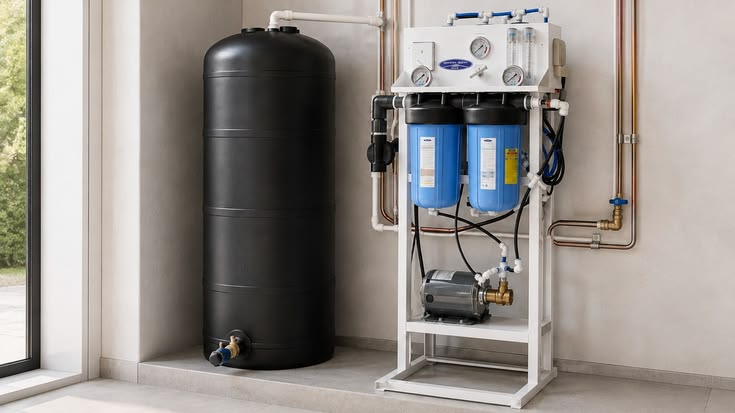
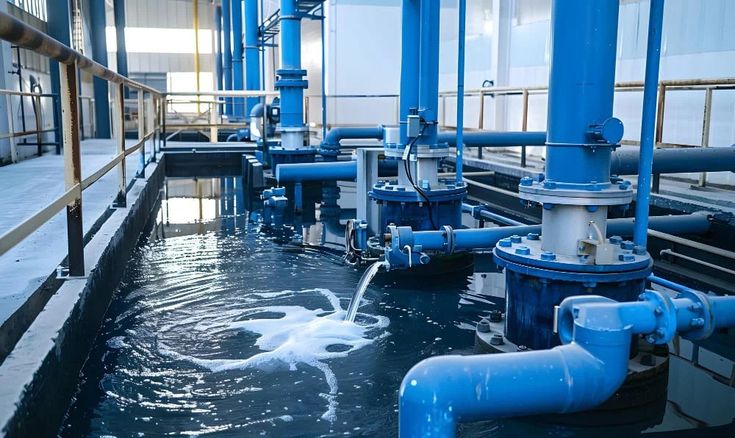
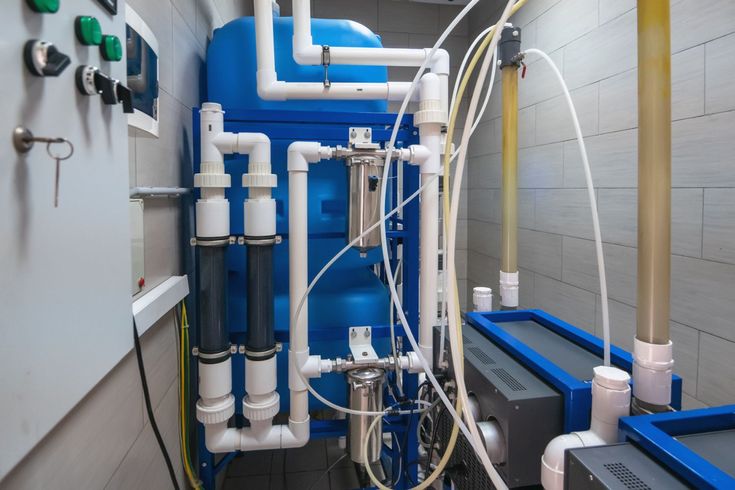
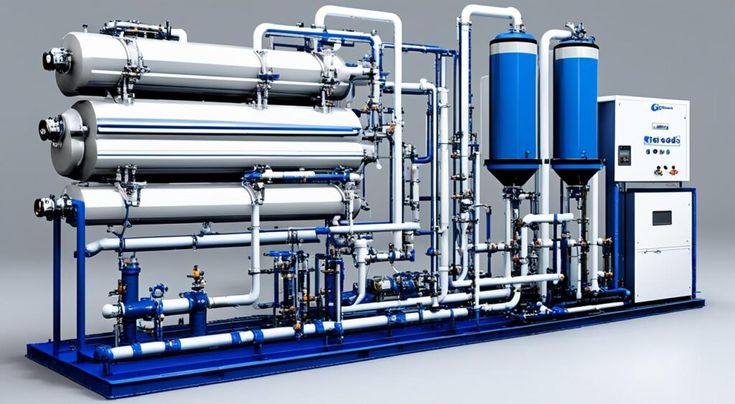
Reliable, safe water is a production input, not a utility afterthought. A hotel in Diani, a hospital in Nakuru, a flower farm in Naivasha and a beverage plant in Athi River all depend on water that meets a defined quality target every day. Where the raw source is a borehole with high salts, a brackish
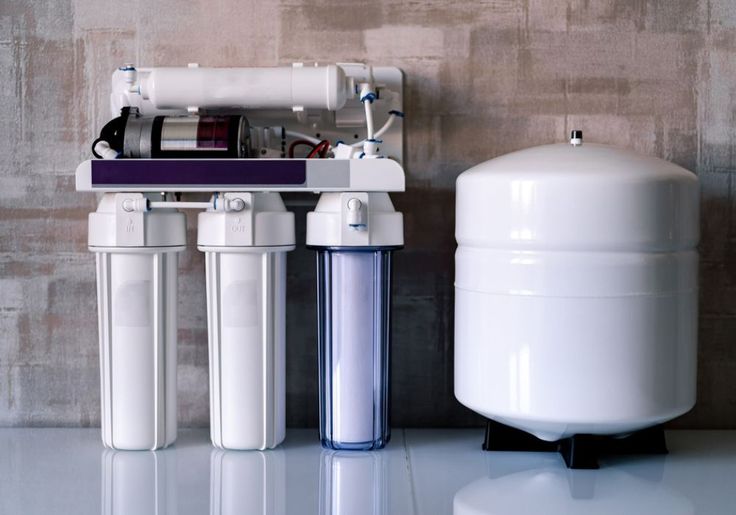
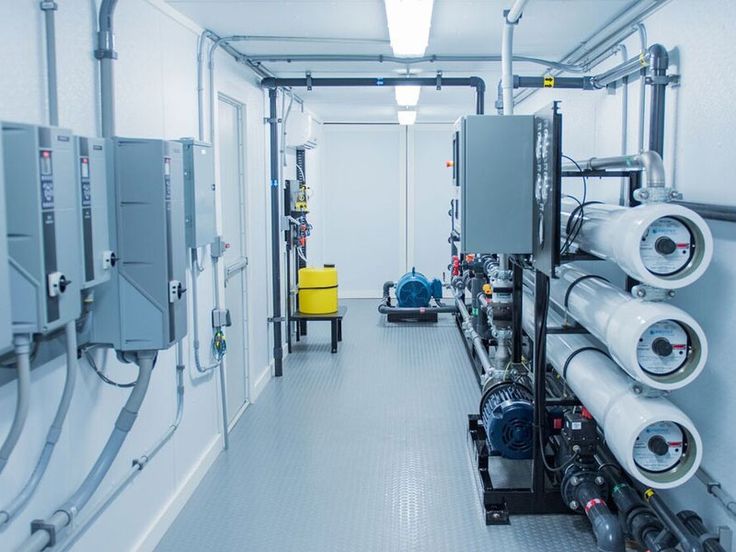
Fluoride Removal from Groundwater
Reverse Osmosis

Fluoride Removal from Groundwater

Fluoride in drinking water is a double-edged element. At about 0.5 to 1.0 mg/L it helps protect teeth from decay, but at higher concentrations it causes dental fluorosis and, over years of exposure, skeletal fluorosis, a painful and crippling bone disease. The World Health Organization sets a guideline value of 1.5 mg/L for drinking water,

Seawater Desalination for Coastal Communities and Hotels
Reverse Osmosis

Seawater Desalination for Coastal Communities and Hotels

Kenya’s coast, from Lamu and Malindi to Kilifi, Mombasa, Diani and Kwale, combines a growing population, a busy tourism industry and limited freshwater. Rainfall is seasonal, rivers are few and short, and coastal aquifers are vulnerable to saltwater intrusion when over-pumped. Seawater desalination, mainly by reverse osmosis (SWRO), offers a drought-resistant supply for hotels, villages,

Brackish Water vs Seawater RO
Reverse Osmosis

Brackish Water vs Seawater RO

Reverse osmosis is used for both brackish and seawater, but the two applications are engineered very differently. The principle is the same, yet salinity, pressure, energy use, materials, pretreatment and concentrate management all change as salt concentration rises. Whether you are planning a borehole treatment plant in the Rift Valley or a desalination system for

Setting Up a Bottled Water Plant with RO
Reverse Osmosis

Pretreatment for Reverse Osmosis

Ask experienced RO engineers what separates plants that run for ten years from plants that need new membranes every year, and most will say the same thing: pretreatment. The membranes are the heart of the system, but they are also the most sensitive part. Suspended solids, iron, bacteria, chlorine, hardness and silica can foul, scale

RO for Borehole Water
Reverse Osmosis

RO for Borehole Water

Across Kenya, many productive boreholes deliver water that is too salty or too mineral-rich for comfortable use. In parts of Kajiado, Machakos, Kitui, Garissa, Wajir, Mandera, Turkana, the Rift Valley floor and the coastal belt, borehole TDS can range from 1,500 to more than 10,000 mg/L. Salty water damages plumbing, stains fixtures, tastes bad, stresses

Reverse Osmosis Systems
Reverse Osmosis

How to Size an RO System

Sizing is where most RO projects succeed or fail. An undersized plant runs flat out, scales quickly and fails to meet demand. An oversized plant costs more to buy, operates at poor load and can suffer biological growth during long idle periods. Correct sizing balances daily demand, peak flow, storage, source-water quality and membrane limits.

RO Plants for Hotels, Hospitals and Schools
Reverse Osmosis

RO Plant Cost in Kenya

“How much does a reverse osmosis plant cost in Kenya?” is the first question most hotel owners, farm managers, school administrators and factory operators ask. The honest answer is that it depends on capacity, source water, pretreatment, materials, automation and the level of local support you need. This guide breaks the cost into capital expenditure

reverse osmosis systems membrane
Reverse Osmosis

How Reverse Osmosis Works

Reverse osmosis (RO) can turn salty borehole water, brackish wells and even seawater into water that is safe to drink or suitable for industry. Yet to many plant owners the process remains a black box. Understanding the science behind membranes, pressure and rejection helps you operate a plant better, interpret performance data and avoid costly

Reverse Osmosis Systems
Reverse Osmosis

RO Membrane Cleaning (CIP) Procedure

Every reverse osmosis (RO) plant, no matter how well designed, will eventually accumulate deposits on its membrane surfaces. Mineral scale, silt, organic matter, and bacterial slime slowly build up, and the plant responds by producing less water, using more energy, and letting more salt through. The standard remedy is a chemical Clean-in-Place (CIP) procedure, in

reverse osmosis systems membrane
Reverse Osmosis

RO Fouling and Scaling: Diagnosis and Fixes

RO is a dependable technology, but it has one persistent enemy: deposits on the membrane. When unwanted material builds up on the membrane surface or in the feed channels, the plant loses output, wastes energy, and delivers lower-quality water. Understanding what is accumulating, and why, is the key to fixing the problem and stopping it

RO for Borehole Water
Reverse Osmosis

Recovery Rate and Reject Water Management in RO

Every RO plant produces two streams: clean permeate and a concentrated reject stream, sometimes called brine or concentrate. How much of the incoming water becomes permeate is described by the recovery rate, and it is one of the most important design and operating decisions in any RO system. Set it too low and you waste

RO vs Distillation vs Ion Exchange
Reverse Osmosis

RO vs Distillation vs Ion Exchange

When a business, hospital, or community needs to remove dissolved salts and other impurities from water, three technologies dominate the discussion: reverse osmosis (RO), distillation, and ion exchange (IX). All three can produce high-quality water, but they work in very different ways, with different costs, energy needs, and ideal applications. Picking the wrong one can

Scroll to Top