
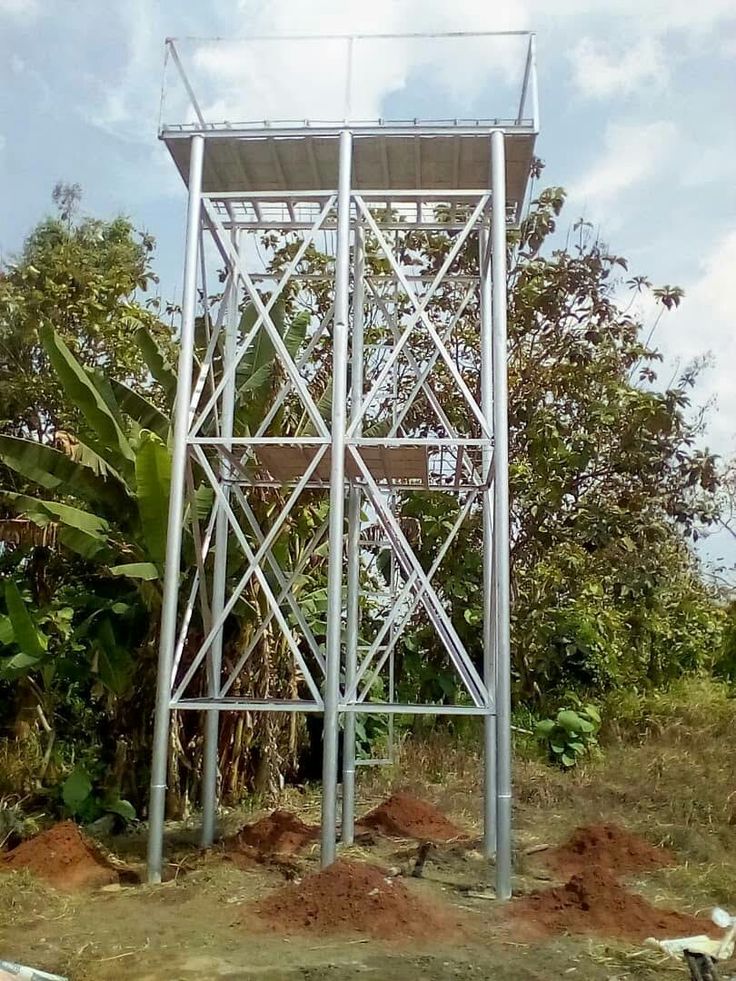
“How much does a tower cost per metre?” is one of the first questions clients ask, and one of the hardest to answer with a single number. Price per metre varies widely because towers are engineered products: a 30 m monopole in a city, a 60 m lattice tower on a windy ridge and a 100 m guyed mast in open plains have very different costs. This article explains what drives the price, how to compare quotations fairly and how to control cost without compromising safety. Prices are not quoted here because steel, zinc, currency and freight rates change frequently; the focus is on understanding the drivers.
Why Price per Metre Is Misleading
Quoting a tower by height alone hides the real cost factors. Two towers of the same height can differ in weight by a factor of three. The better measure is the cost per tonne of fabricated, galvanized steel, plus the cost of foundations, erection and extras. Price per metre is a useful rule of thumb only for towers of similar type, loading and location.
Importantly, the cost per metre rises with height. Wind pressure increases with height and overturning moment grows roughly with the square of height, so taller towers need disproportionately more steel and larger foundations.
Main Cost Drivers
1. Height
Height is the strongest driver. Doubling the height can more than double the steel weight, because leg sizes, base width and foundation loads all increase.
2. Tower type
- Guyed masts use the least steel but need land, anchors and ongoing guy maintenance.
- Lattice towers offer a good cost balance between 30 and 100 m.
- Monopoles are cost-effective at lower heights but become expensive per metre above about 35 to 45 m.
3. Loading and equipment
The number and size of antennas, microwave dishes, cables and platforms determine the wind area and weight. A tower designed for three operators costs much more than one designed for a single tenant. Designing for future colocation costs more at the start but is cheaper than retrofitting later.
4. Design wind speed and location
A site with higher design wind speed or exposed topography needs heavier members. Coastal sites need thicker coatings for corrosion. Seismic zones, such as parts of the Rift Valley, can add further requirements.
5. Steel price and weight
Steel typically makes up the largest part of the manufacturing cost. International steel prices, exchange rates and import duties affect the final price. Higher-strength steel such as S355 reduces weight but costs more per tonne, and efficient design balances the two.
6. Fabrication complexity
Costs include cutting, drilling, welding, labour and quality control. Lattice towers with many small members involve more handling than monopoles, but monopoles need heavy plate rolling, welding and NDT.
7. Galvanizing
Galvanizing is charged per tonne and depends on zinc prices and coating thickness. Thicker coatings or duplex coating systems for aggressive environments add cost but extend life significantly.
8. Foundations
Foundations may represent 15 to 30 percent of total installed cost, and more in poor soils. Pad footings in good ground are cheap; piles, raft foundations and rock anchors can multiply the cost. A geotechnical investigation before pricing reduces uncertainty.
9. Transport and logistics
Distance, road condition, vehicle size and port clearance all matter. Monopole sections are long and heavy and may require abnormal-load transport, while lattice parts can be packed more compactly.
10. Erection method and access
Crane hire, gin pole teams, remote site access, accommodation and permits all add to cost. Difficult terrain, rain and narrow roads increase time and expense.
11. Accessories
Ladders, platforms, fall-arrest systems, aviation lights, lightning protection, earthing, cable trays, fencing and anti-climb devices form a substantial part of the final cost.
12. Approvals and compliance
Environmental assessments, county permits, aviation approvals, land leases and professional fees must be included in project budgets.
13. Risk, profit and overheads
Contractor margins, insurance, warranty terms and payment conditions also shape price. Very low bids may reflect lower quality or cut corners in design or coating.
Illustrative Breakdown of Installed Cost
The exact split varies, but a typical breakdown for a lattice telecom tower looks like this:
| Component | Approximate share of installed cost |
|---|---|
| Steel and fabrication | 35 to 45% |
| Galvanizing | 5 to 10% |
| Foundations | 15 to 25% |
| Transport and logistics | 5 to 10% |
| Erection | 10 to 15% |
| Accessories and earthing | 5 to 10% |
| Design, testing and approvals | 3 to 8% |
These are indicative proportions only, and each project should be priced from its own quantities.
How to Compare Quotations Fairly
Make sure all bidders price the same thing. Provide a clear specification including:
- Height, type and number of platforms.
- Design standard and wind speed.
- Antenna and cable loading, now and future.
- Steel grades, bolt grades and coating specification.
- Foundation scope and assumed soil conditions.
- Scope of earthing, lighting and safety systems.
- Transport and erection included or excluded.
- Warranty, testing and documentation requirements.
Then compare total installed cost, delivered weight, and design calculations, not just the headline price per metre.
Ways to Reduce Cost Without Cutting Safety
- Optimise tower type for height. Do not use a monopole where a lattice tower would be cheaper.
- Use a geotechnical survey. Reliable soil data avoids overdesign.
- Standardise designs across multiple sites to benefit from repeat fabrication.
- Right-size the loading. Remove unused antennas and cables before adding more.
- Plan logistics. Consolidate shipments and schedule erection in dry months.
- Choose local fabrication where quality is proven, to reduce freight and duties.
- Invest in durability. Adequate galvanizing and good details reduce lifetime cost.
Hidden Costs to Watch
- Variations from unexpected ground conditions.
- Delays due to approvals or land disputes.
- Re-inspection and rework for non-conforming steel.
- Retrofits when the tower cannot support future antennas.
- Maintenance and corrosion repair if coatings are inadequate.
Lifecycle Cost Perspective
A tower may serve 30 to 50 years. Savings of a few percent at purchase can be wiped out by corrosion repairs, strengthening work or downtime. Lifecycle thinking, which includes inspection and maintenance costs, produces better long-term value.
Conclusion
Steel tower cost is driven mainly by height, type, loading, wind conditions, soil, logistics and quality requirements. Instead of asking only for a price per metre, define the full scope, obtain comparable quotations and ask for design calculations and quality plans. The cheapest quote is rarely the lowest-cost solution once safety, durability and future needs are considered.
Key references: ANSI/TIA-222-H; EN 1993-3-1; ISO 1461.
