Ground Improvement Techniques for Weak Soils
Geotechnical Works

Ground Improvement Techniques for Weak Soils

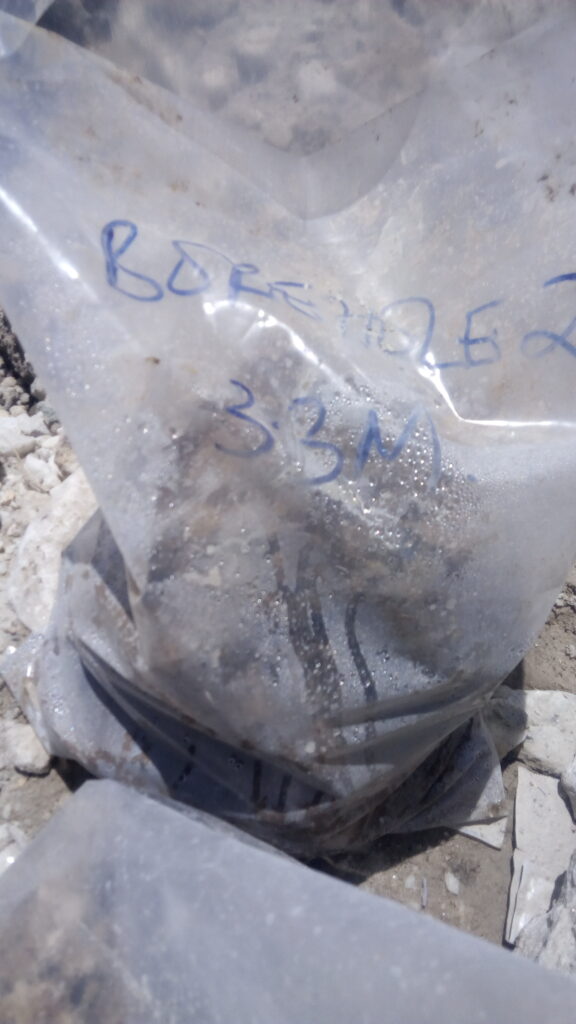
Not every site comes with strong ground. Soft clays, loose sands, peat, uncontrolled fill and expansive soils can make foundations expensive or unsafe. Instead of always moving to deep piles, engineers can improve the ground itself, increasing its strength, reducing its compressibility or controlling its permeability. This article explains the most common ground improvement techniques,
Settlement and Consolidation: Why Buildings Crack
Geotechnical Works

Settlement and Consolidation: Why Buildings Crack

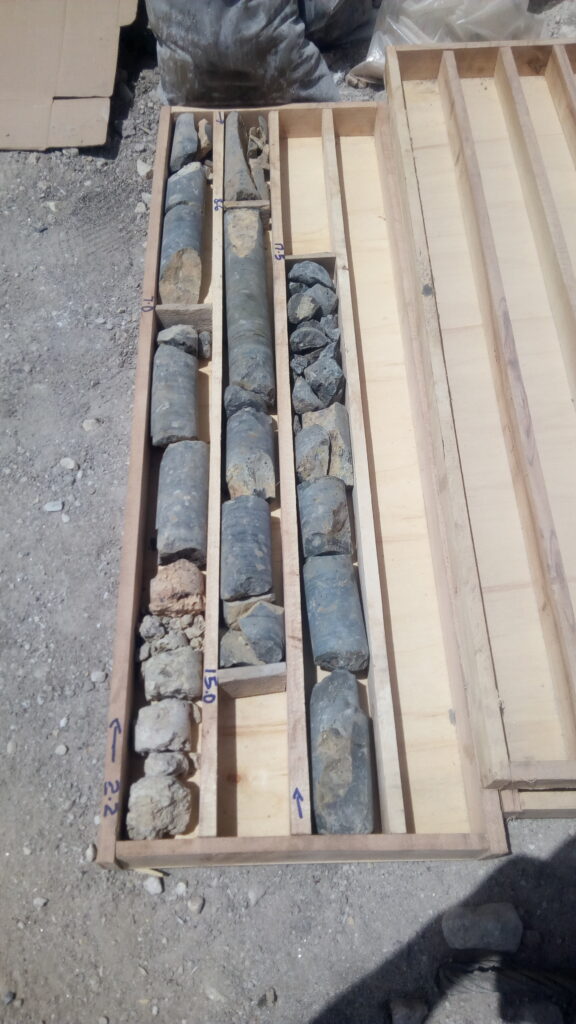
Few things worry a building owner more than a new crack in a wall. While some cracks are harmless shrinkage in plaster or concrete, others signal that the ground under the building is moving. The most common ground-related cause is settlement: the downward movement of a structure as the soil beneath it compresses. This article

Geophysical Surveys in Site Investigation
Geotechnical Works

Geophysical Surveys in Site Investigation

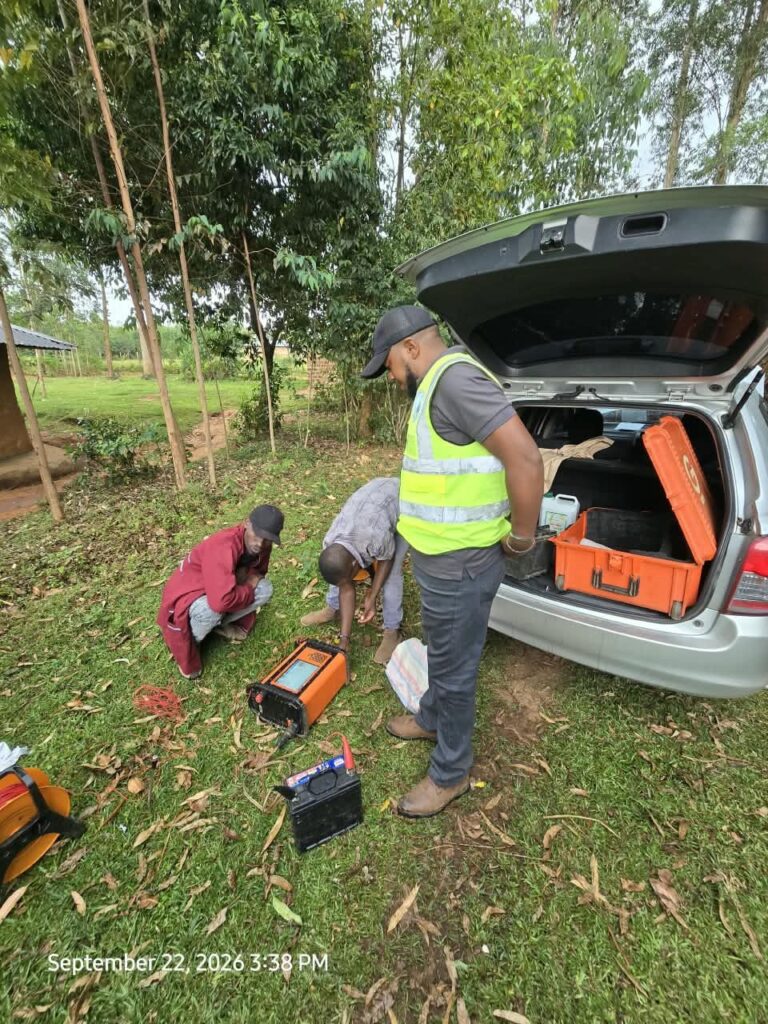
Boreholes tell you exactly what is at one point, but the ground between boreholes is guesswork. Bedrock may dip suddenly, a buried channel may cross the site, or a cavity may sit beneath the proposed foundation, all unseen by widely spaced drilling. Geophysical surveys fill these gaps by measuring physical properties of the ground from

Soil Resistivity Testing for Earthing Systems
Geotechnical Works

Soil Resistivity Testing for Earthing Systems

Every electrical installation needs a safe path for fault and lightning currents to reach the ground. That path is the earthing (grounding) system, and its performance depends largely on one property of the soil: resistivity. Rocky, dry ground can make a good earth very hard to achieve, while moist clay can make it easy. Measuring

Groundwater dewatering in construction
Geotechnical Works

Groundwater and Construction Dewatering

Excavate below the water table and the ground fills with water. Left uncontrolled, groundwater turns a pit into a pond, destabilises excavation walls, softens the base and can even lift the floor of the excavation. Dewatering, the controlled removal or exclusion of groundwater, keeps construction sites safe and dry. But it also carries risks, from

Standard Penetration Test (SPT) Explained
Geotechnical Works

Common Geotechnical Challenges in Kenya and How to Overcome Them

Kenya’s geological diversity presents both opportunities and challenges for construction. From black cotton soils in lowlands to volcanic deposits in the Rift Valley, engineers face varying geotechnical conditions that require tailored solutions. Some common challenges include: Expansive clays that swell and shrink with moisture changes. Collapsible soils that compact under load or moisture. Erosive slopes

Geotechnical works
Geotechnical Works

The Role of Geotechnical Engineering in Road and Bridge Construction

The success of road and bridge construction projects heavily depends on geotechnical engineering. Roads and bridges interact continuously with the ground, and without proper subsurface assessment, even the most well-designed structure can fail. Geotechnical engineers assess soil and rock characteristics to ensure that road subgrades and bridge foundations can withstand anticipated loads. For instance, poor

Black Cotton Soil: Problems and Foundation Solutions
Geotechnical Works

Understanding Slope Stability and Its Impact on Infrastructure Development

Kenya’s topography is characterized by hilly and mountainous regions where slope stability is a key engineering concern. Landslides and slope failures are frequent in areas such as the Rift Valley and central highlands, posing risks to roads, pipelines, and residential developments. Understanding slope stability is, therefore, crucial for sustainable infrastructure development. Slope stability analysis examines

geotechnical
Geotechnical Works

The Importance of Geotechnical Investigations in Building Safe Foundations in Kenya

Every successful construction project begins with a solid understanding of what lies beneath the surface. Geotechnical investigations are the cornerstone of safe, durable, and cost-effective foundation design. In Kenya’s diverse geological landscape — ranging from volcanic soils to clayey plains and rocky terrains — geotechnical studies are essential for mitigating structural risks and ensuring the

geotechnical
Geotechnical Works

Geotechnical works explained?

Geotechnical works involve the study and application of soil and rock mechanics to ensure that structures such as buildings, roads, bridges, and towers are built on safe and stable ground. This branch of civil engineering focuses on understanding the physical properties of the earth materials where construction takes place. Geotechnical engineers carry out site investigations,

Scroll to Top