
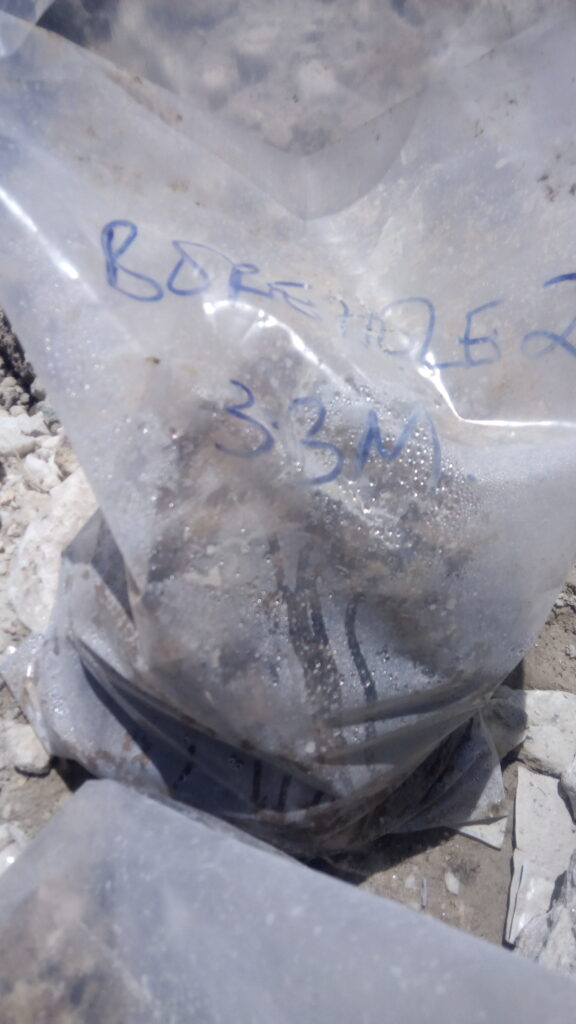
Soil is the invisible foundation upon which every building rests. Yet, despite its importance, soil is one of the most variable materials in construction. Soil testing, therefore, plays a crucial role in preventing structural failures and ensuring that design decisions align with actual ground conditions.
In Kenya, cases of building collapse have often been linked to weak soils or foundations built without proper testing. A simple laboratory test could reveal whether the soil can support the intended load, drain properly, or expand during wet seasons — all of which determine structural integrity.
Soil testing involves analyzing parameters such as moisture content, shear strength, plasticity index, bearing capacity, and compaction characteristics. These factors guide engineers in choosing the appropriate foundation type — be it shallow, raft, or deep foundations like piles.
Ignoring soil testing can lead to serious consequences: uneven settlement, cracking walls, tilting structures, or total collapse. Beyond safety, it also leads to higher maintenance costs and potential legal liabilities.
Geovista Engineering and Consultants Services Limited applies international best practices in geotechnical testing. Our team conducts in-situ and laboratory analyses to ensure that every foundation design is backed by factual data. By leveraging modern testing equipment and geotechnical software, we help clients make data-driven decisions that ensure both safety and cost efficiency. In construction, prevention is far cheaper than correction — and soil testing is the first preventive step.
