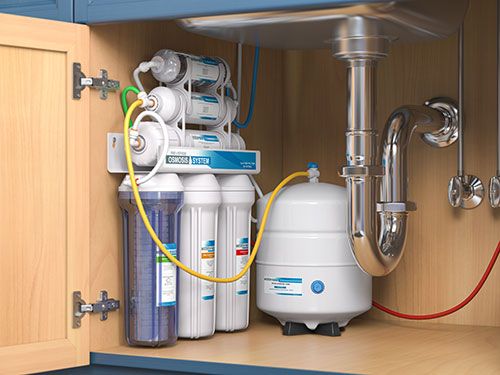
reverse osmosis systems membrane
Reverse Osmosis

RO Membrane Lifespan and When to Replace

Reverse osmosis membranes do not last forever. Even in a well-run plant, the polymer slowly ages, deposits accumulate, and performance drifts. Replacing membranes too early wastes money, while running them too long drives up energy costs, degrades water quality, and risks damage to the rest of the system. The key is knowing what to expect
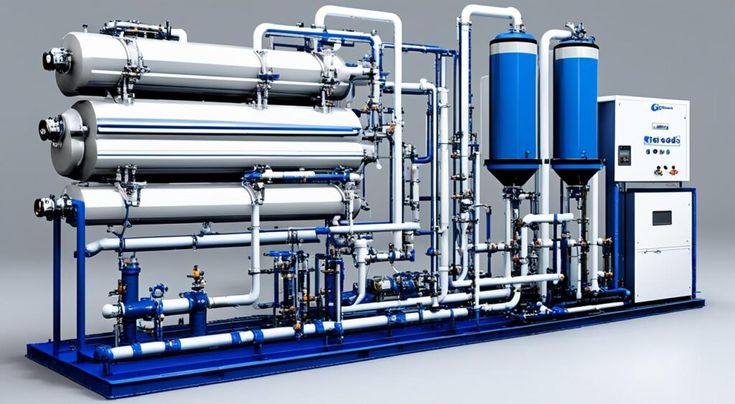
Reverse Osmosis Systems
Reverse Osmosis

Industrial RO: Boiler Feed, Food and Beverage, Pharma

Industrial water is not just “water”. A boiler needs water almost free of hardness, silica, and dissolved oxygen. A brewery needs consistent mineral content and microbiological safety. A pharmaceutical plant needs water that meets pharmacopoeia limits for conductivity, total organic carbon and bacteria. Reverse osmosis (RO) is the common foundation for all three, because it

Galvanized tank
Galvanized Tanks

How to Choose the Right Galvanized Tank for Your Project

Selecting the right water storage tank is crucial for operational efficiency, water quality, and long-term cost savings. Galvanized steel tanks offer unparalleled strength, durability, and adaptability for commercial, industrial, agricultural, and municipal projects. However, choosing the correct size, design, and installation method requires careful consideration of multiple factors. This article provides a comprehensive guide to

Galvanized tank
Galvanized Tanks

Integrating Galvanized Tanks with Solar Pumping Systems for Efficient Water Management

Water scarcity, rising energy costs, and the need for sustainable infrastructure have made solar-powered water pumping systems increasingly popular in Kenya. When combined with galvanized steel tanks, these systems offer a reliable, low-maintenance, and environmentally friendly solution for domestic, agricultural, and industrial water supply. This article explores the advantages, design considerations, and operational strategies for

Galvanized steel tanks
Galvanized Tanks

Maintenance Tips for Galvanized Steel Tanks to Extend Lifespan

Galvanized steel tanks are widely recognized for their durability and resistance to corrosion, making them ideal for water storage in commercial, industrial, and domestic applications. However, proper maintenance is essential to ensure these tanks reach their full lifespan of 30–50 years. Regular inspections and preventive care not only preserve the structural integrity of the tank

Galvanized steel tanks
Galvanized Tanks

Why Galvanized Tanks Are Ideal for Kenya’s Water Storage Challenges

Kenya faces increasing water storage and distribution challenges driven by rapid population growth, urbanization, and climate variability. Communities and industries alike require solutions that are sustainable, durable, and easy to maintain. Galvanized steel tanks have emerged as an ideal response to these challenges, offering a robust, long-term option for water conservation and management. This blog

Galvanized Tanks
Galvanized Tanks

The Advantages of Galvanized Steel Water Tanks for Commercial and Industrial Use

In Kenya’s rapidly industrializing and urbanizing landscape, water storage is an essential component of sustainable infrastructure. Commercial and industrial facilities require reliable, durable, and hygienic storage systems to ensure a consistent water supply for production, cooling, fire suppression, and sanitation. Among the available options, galvanized steel water tanks have become the preferred solution due to

Steel towers
Steel Tower

Comparing Steel Towers and Concrete Masts: Which Is Right for Your Project?

When planning infrastructure projects such as communication installations, power transmission, or elevated water tanks, one key decision engineers face is whether to use steel towers or concrete masts. Both materials have their advantages, but the right choice depends on project requirements, budget, terrain, and maintenance considerations. This article compares steel and concrete structures across various

Steel towers
Steel Tower

Benefits of Using Hot-Dip Galvanized Steel in Tower Fabrication

Corrosion is one of the greatest threats to the durability and safety of steel structures. Towers exposed to outdoor conditions — whether for power lines, telecommunications, or water tanks — are particularly vulnerable. Hot-dip galvanization (HDG) provides an effective, long-lasting protective coating that prevents rust and extends the lifespan of steel towers by decades. This

Steel towers
Steel Tower

The Engineering Behind Strong and Durable Steel Towers

Steel towers must withstand dynamic loads, extreme weather, and continuous operational stress. Their strength and durability depend on sound engineering — from design and fabrication to installation and maintenance. In Kenya’s diverse climatic conditions, where strong winds, heat, and humidity prevail, proper engineering practices are critical to structural integrity and longevity. This article explores the

Steel towers
Steel Tower

How to Ensure Structural Stability in Steel Tower Construction

Structural stability is the foundation of any successful engineering project. In steel tower construction, stability determines not only the tower’s lifespan but also its ability to perform under harsh environmental conditions such as high winds, temperature fluctuations, and seismic forces. From telecommunications masts to power transmission towers and elevated water tanks, every steel structure must

Steel towers
Steel Tower

Applications of Steel Towers in Communication, Power, and Water Projects

Steel towers are the unsung heroes of modern infrastructure. From supporting telecommunication signals across vast landscapes to carrying high-voltage power lines and holding elevated water tanks, these structures play a vital role in industrial, commercial, and public utility projects. In Kenya and across East Africa, the growing demand for connectivity, electricity, and water distribution has

solar
Solar Installation

The Future of Renewable Energy: Integrating Solar Power into Water Supply Systems

As Kenya advances toward sustainable development, renewable energy integration into water supply systems is no longer optional — it is essential. Solar power provides an eco-friendly, cost-effective, and scalable energy source for water production, treatment, and distribution. The Renewable Energy Shift Kenya leads Africa in renewable energy adoption, with over 80% of electricity generated from

pumps
Pump Installation, Solar Installation

Maintenance Tips for Solar Pump Systems to Ensure Long-Term Efficiency

Installing a solar water pump is a long-term investment. However, even the best systems require periodic maintenance to maintain performance and efficiency. Proper maintenance not only extends equipment lifespan but also prevents costly downtime and repairs. Routine Maintenance Activities Cleaning Solar Panels: Dust, bird droppings, and debris can reduce efficiency by up to 30%. Clean

Monocrystalline vs Polycrystalline solar
Solar Installation

How Solar Energy Reduces Operational Costs for Water Projects

Rising energy costs have made water supply systems increasingly expensive to operate. From pumping to treatment and distribution, electricity or diesel fuel is a major expense. Solar energy offers a revolutionary alternative — drastically reducing operational costs while promoting environmental sustainability. The Energy Cost Burden In many Kenyan water projects, especially in rural water schemes,

Scroll to Top