Don't miss our holiday offer - up to 20% OFF!

Comparing Steel Towers and Concrete Masts: Which Is Right for Your Project?

When planning infrastructure projects such as communication installations, power transmission, or elevated water tanks, one key decision engineers face is whether to use steel towers or concrete masts. Both materials have their advantages, but the right choice depends on project requirements, budget, terrain, and maintenance considerations.
This article compares steel and concrete structures across various performance parameters to guide informed decision-making for sustainable and cost-effective projects.
1. Structural Strength and Weight
Steel towers have a higher strength-to-weight ratio compared to concrete. This means they can carry heavy loads without excessive self-weight, reducing foundation size and construction cost. Concrete masts, although strong in compression, are heavy and require larger foundations.
Steel’s ductility allows towers to flex slightly under wind or seismic loads, reducing the risk of cracking or sudden failure — an advantage over rigid concrete structures.
2. Construction Speed and Flexibility
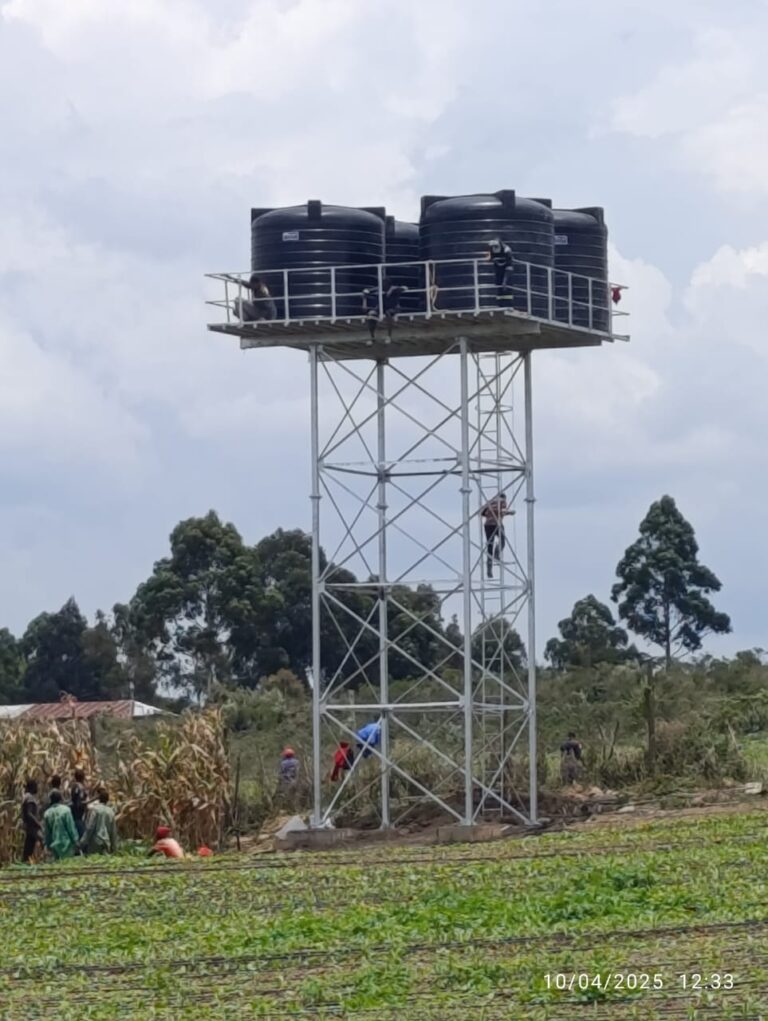
Steel towers are prefabricated off-site, transported in sections, and assembled quickly with bolted or welded joints. This modular approach minimizes on-site labor and reduces project timelines. In contrast, concrete structures require formwork, curing time, and skilled on-site casting — extending construction duration.
Additionally, steel towers can be easily dismantled, modified, or relocated, providing flexibility for future expansion. Concrete masts, once built, are permanent and difficult to alter.
3. Durability and Maintenance
While both materials are durable, steel requires protective coatings (like galvanization) to resist corrosion. Concrete, on the other hand, is vulnerable to cracking and chemical attack over time. Poor-quality concrete mixes can lead to spalling and rebar corrosion.
A galvanized steel tower can last over 50 years with minimal maintenance. Regular inspection and touch-up of exposed sections ensure extended service life at low cost.
4. Cost Implications
Although initial material costs may favor concrete, steel towers often prove more economical over their lifetime. Lower foundation requirements, faster construction, and reduced maintenance make steel the more cost-efficient option for most applications.
In regions with difficult terrain — such as rocky hillsides or remote areas — transporting prefabricated steel sections is far easier than hauling heavy concrete components.
5. Aesthetic and Functional Considerations
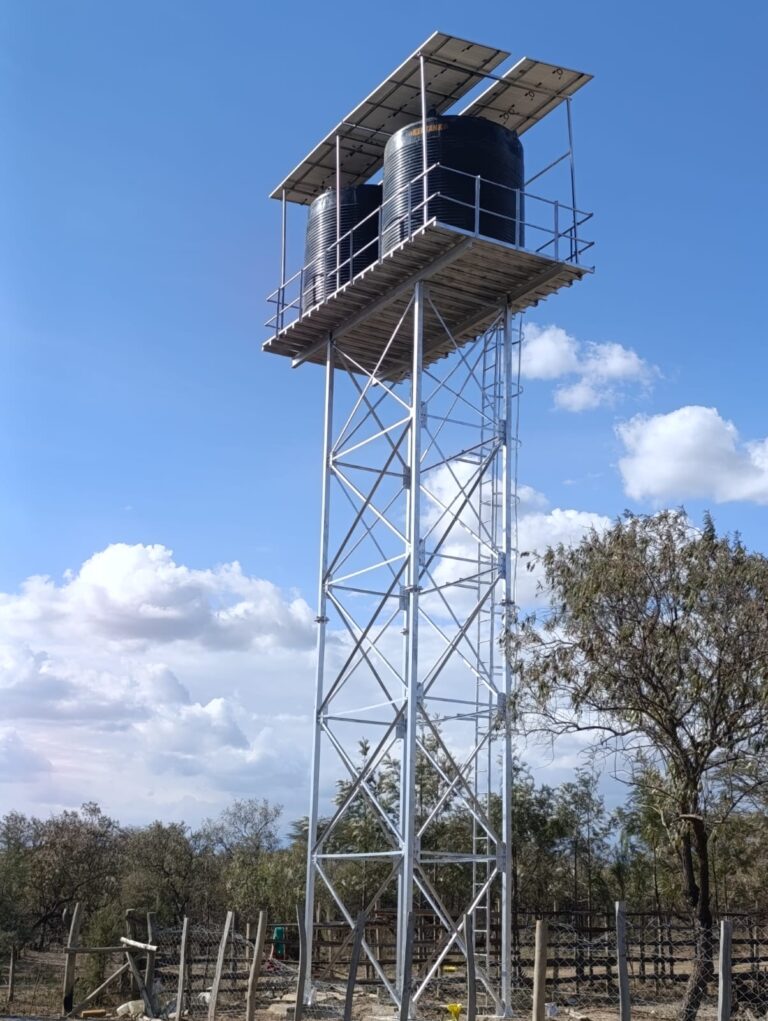
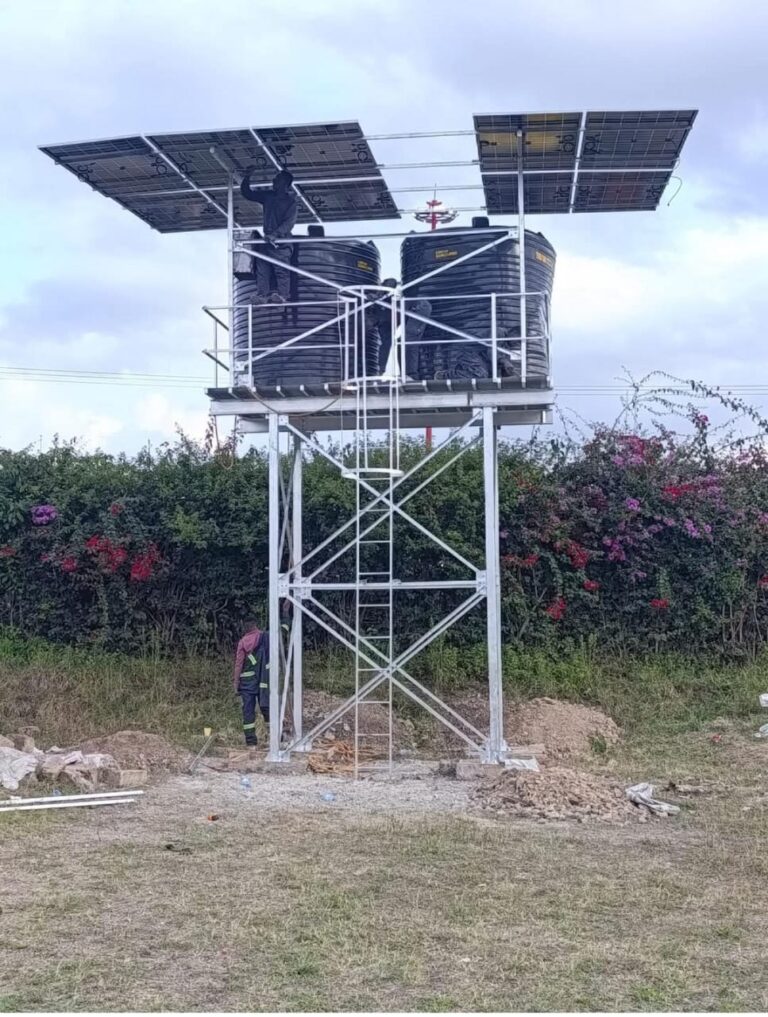
Steel towers offer sleek, modern designs with minimal visual intrusion, making them ideal for urban and peri-urban installations. Concrete masts, being bulky, may not blend well with contemporary environments. Furthermore, steel structures allow easy mounting of antennas, solar panels, and maintenance ladders — enhancing functionality.
6. Environmental Impact
Steel is fully recyclable and reusable, aligning with sustainable construction principles. Concrete production, on the other hand, has a high carbon footprint due to cement manufacturing. Therefore, steel offers a greener solution for environmentally conscious projects.
7. Geovista’s Expert Recommendation
At Geovista Engineering and Consultants Services Limited, our engineers conduct a detailed site assessment and structural feasibility analysis before recommending the best option. For most projects — especially telecommunications, power lines, and elevated tanks — steel towers provide superior performance, flexibility, and long-term savings. However, in cases requiring extreme rigidity or low height, concrete masts may still be preferred.
Both steel towers and concrete masts have their place in modern infrastructure development. The final choice depends on project goals, environmental conditions, and budget priorities. However, for versatile, durable, and sustainable solutions, steel towers consistently emerge as the smarter investment. Geovista Engineering continues to lead in designing, fabricating, and installing steel towers that meet international standards while supporting Kenya’s growing infrastructure needs.