Don't miss our holiday offer - up to 20% OFF!

The Future of Renewable Energy: Integrating Solar Power into Water Supply Systems

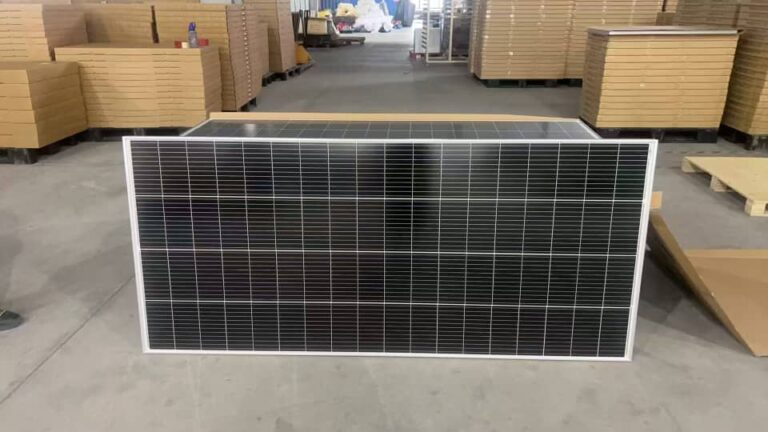
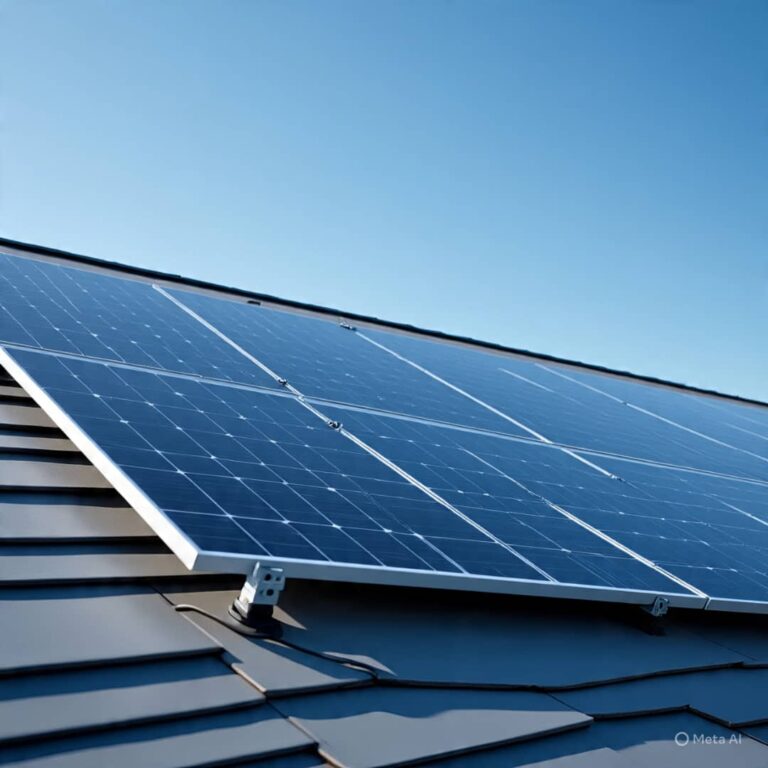
As Kenya advances toward sustainable development, renewable energy integration into water supply systems is no longer optional — it is essential. Solar power provides an eco-friendly, cost-effective, and scalable energy source for water production, treatment, and distribution.
The Renewable Energy Shift
Kenya leads Africa in renewable energy adoption, with over 80% of electricity generated from green sources like geothermal, wind, and solar. Integrating these technologies into water infrastructure ensures resilience and sustainability.
Why Solar Power is Ideal for Water Systems
-
Abundant Solar Resource: Kenya receives 5–7 peak sunlight hours daily.
-
Energy Independence: Reduces dependency on unreliable grid power.
-
Scalable Technology: Can power both small rural boreholes and large municipal systems.
Integration Opportunities
-
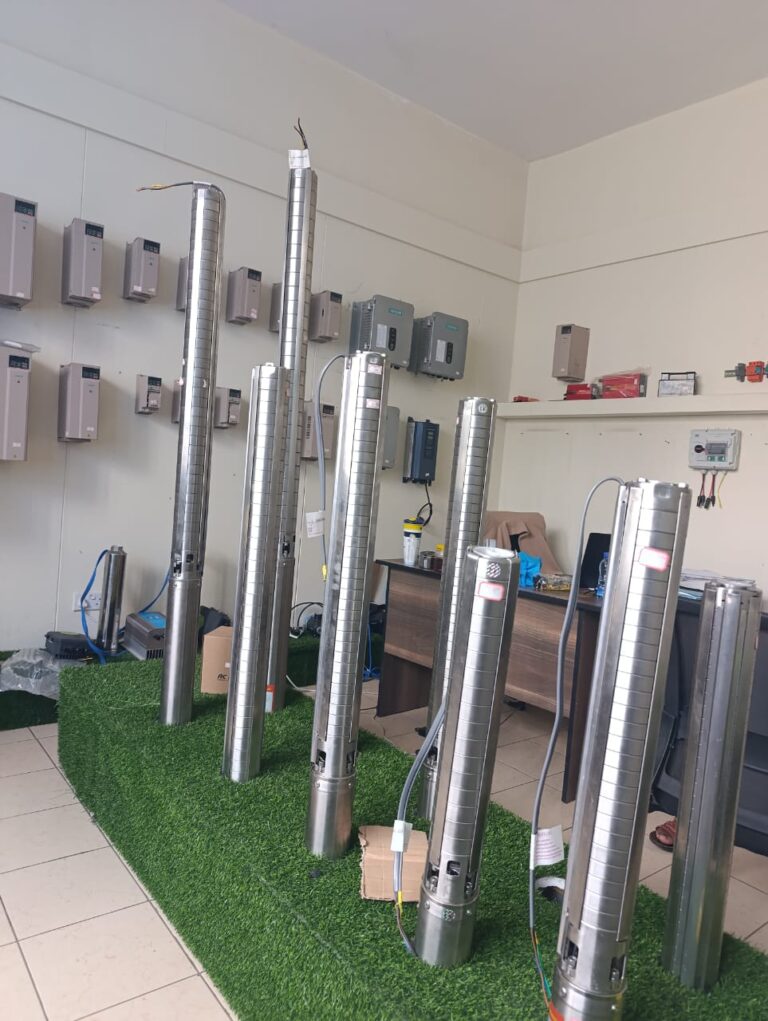
Solar Borehole Pumps
-
Solar-Powered Treatment Plants
-
Solar Storage Tanks with Pump Automation
-
Hybrid Solar-Grid Systems
Economic and Environmental Impact
Solar integration lowers water tariffs by reducing operational energy costs and carbon emissions. It promotes climate resilience and supports Kenya’s commitment to the Paris Agreement.
Geovista’s Solar Integration Solutions
Geovista Engineering and Consultants Services Limited specializes in designing and implementing hybrid and standalone solar-powered water systems. We employ advanced design tools, reliable equipment, and experienced engineers to ensure each project meets the highest efficiency standards.
The future of water supply lies in renewable energy. By integrating solar power, Kenya can secure sustainable, affordable, and environmentally friendly water solutions for generations to come.