Solar Site Assessment Checklist
Solar Installation

Solar Site Assessment Checklist

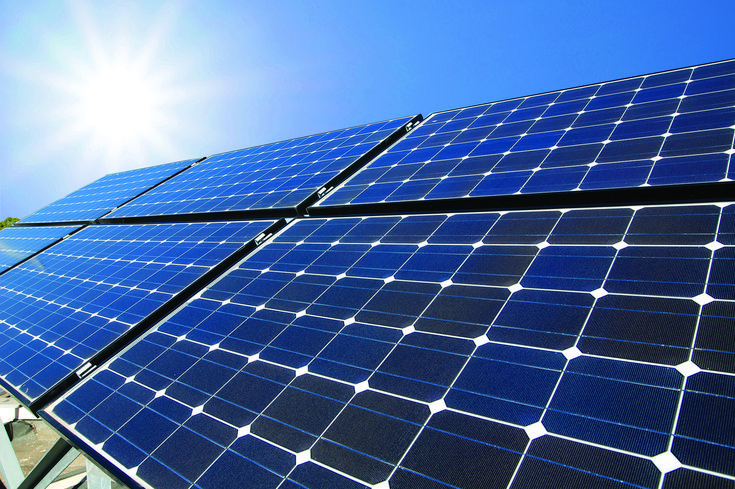
A solar site assessment is the survey that tells you whether your property can host a system, what size it can be, and what must be fixed first. Skipping it is the most common reason for underperforming systems, costly redesigns and failed inspections. Use this checklist to prepare, to question your installer, or to run

Monocrystalline vs Polycrystalline solar
Solar Installation

Monocrystalline vs Polycrystalline

Choosing a panel technology affects how much power you generate from your roof, how well the system copes with heat, and how long it lasts. The monocrystalline vs polycrystalline debate dominated solar for years, and thin-film remains a niche but important third option. This guide explains how each technology works and which one suits your

Choosing a Solar Inverter
Solar Installation

Choosing a Solar Inverter

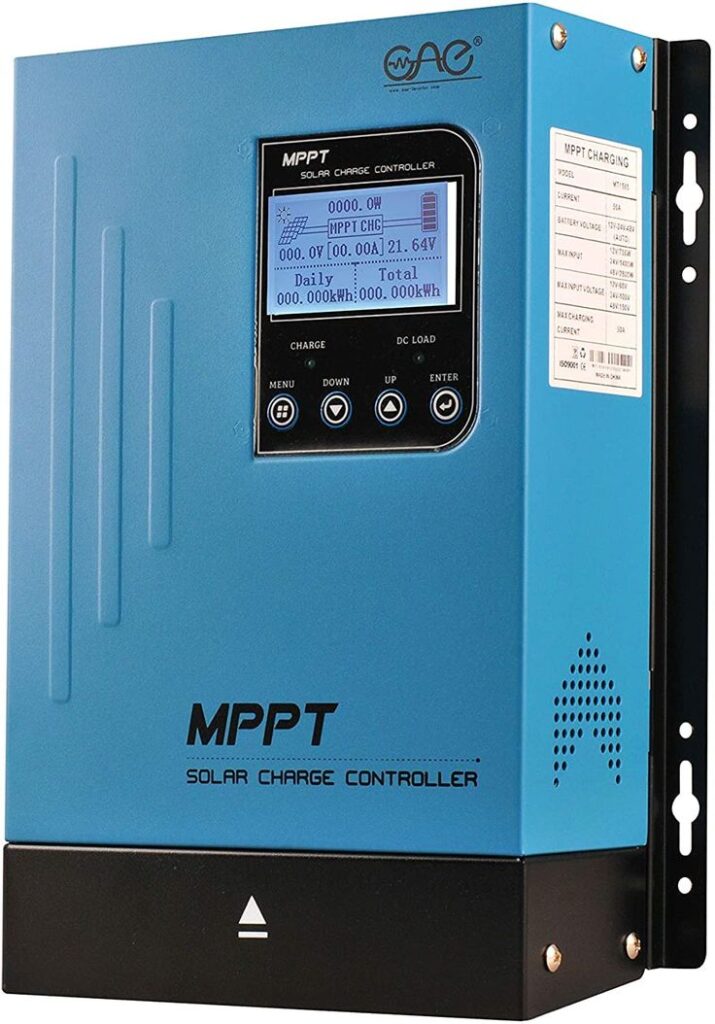
The inverter is the brain of a solar system. It converts the direct current (DC) from your panels into alternating current (AC), tracks the best operating point of the array, protects the system and communicates with the grid. Picking the best solar inverter type for your project affects cost, energy yield, reliability and future flexibility.

Lithium vs Lead-Acid Batteries
Solar Installation

Lithium vs Lead-Acid Batteries

Batteries store the solar energy your panels produce during the day so you can use it at night or during outages. The solar battery lithium vs lead acid choice is one of the biggest decisions in a storage project, because it shapes upfront cost, lifespan, space, maintenance and safety. This guide compares the two technologies

Feed-in Rules for Solar in Kenya
Solar Installation

Feed-in Rules for Solar in Kenya

If you generate your own solar electricity in Kenya, the next question is what happens to the surplus. Net metering Kenya rules let eligible customers export extra power to the grid in return for energy credits, but the framework has strict limits, approval steps and, as of late 2025 and 2026, new charges for unapproved

Solar Permits, EPRA Licensing
Solar Installation

Solar Permits, EPRA Licensing

Before you buy panels in Kenya, you need to know who is allowed to install them, which approvals apply, and how to avoid fines or rejected grid connections. The word “permit” covers several different things: licences for the people and companies doing the work, approvals for connecting to the grid, and local or environmental permissions

Solar Water Pump Installation
Solar Installation

How Much Does Solar Installation Cost

If you are comparing quotes, the first question is always the same: what is a fair price? Solar installation cost in Kenya depends mainly on system size, whether you add batteries, the quality of components and the complexity of your site. This guide gives indicative 2026 price ranges by system size, explains where your money

Complete Guide to Geotechnical Investigation
Geotechnical Works

Complete Guide to Geotechnical Investigation

Every building, road, bridge, dam and pipeline ends up resting on the ground. Yet the ground is the one construction material that nobody manufactures, nobody can specify in advance and that changes from one metre to the next. A geotechnical investigation before construction replaces assumptions with evidence. It tells you what lies beneath the site,

Geotechnical Site Investigation Process
Geotechnical Works

Geotechnical Site Investigation Process

A geotechnical site investigation is not a single activity. It is a staged process in which each step reduces uncertainty and shapes the next one. Done in the right order, it delivers reliable ground data at sensible cost. Done haphazardly, for example by drilling first and thinking later, it produces gaps, wasted money and reports

geotechnical
Geotechnical Works

Cost of Geotechnical Investigation in Kenya

“How much will the soil investigation cost?” is usually one of the first questions a developer, architect or engineer asks, and one of the hardest to answer in a single number. The cost of geotechnical investigation in Kenya depends on the size and type of project, the ground conditions, the depth of exploration, the testing

Standard Penetration Test (SPT) Explained
Geotechnical Works

Standard Penetration Test (SPT) Explained

If you have ever read a borehole log, you have seen a column of small numbers labelled “N” or “SPT”. Those numbers come from the standard penetration test, one of the oldest, simplest and most widely used in-situ tests in geotechnical engineering. A hammer, a rod and a split tube are all it takes to

Soil Resistivity Testing for Earthing Systems
Geotechnical Works

CPT vs SPT: Which Test Should You Specify?

When a project needs ground data in a hurry, the specification often includes one of two famous in-situ tests: the standard penetration test (SPT) or the cone penetration test (CPT). Both measure how the ground resists penetration, both are used to design foundations, and both have strong supporters. Yet they work very differently, suit different

How to Calculate Total Dynamic Head
Pump Installation

Complete Guide to Pump Installation

A pump is only as good as its installation. A correctly selected pump that is badly installed will vibrate, overheat, lose efficiency and fail early. A modest pump that is properly sized, aligned and piped can run reliably for decades. Whether you are supplying water to a farm, a building, a factory or a borehole,

borehole pump
Pump Installation

Types of Pumps Explained

Walk into any pump supplier’s showroom and the range can feel overwhelming. Yet nearly every pump belongs to a small number of families, and understanding them makes selection far easier. This guide explains the four most common categories, which are centrifugal, submersible, booster and positive displacement pumps, how each works, where each excels and where

How to Choose the Right Pump
Pump Installation

How to Choose the Right Pump

Choosing a pump from a catalogue by horsepower or by price is one of the most common and costly mistakes in water engineering. Pumps do not deliver a fixed output. Their flow, pressure, power consumption and efficiency all change depending on the system they are connected to. The right choice depends on three connected ideas:

Scroll to Top