Solar Financing Options
Solar Installation

Solar Financing Options

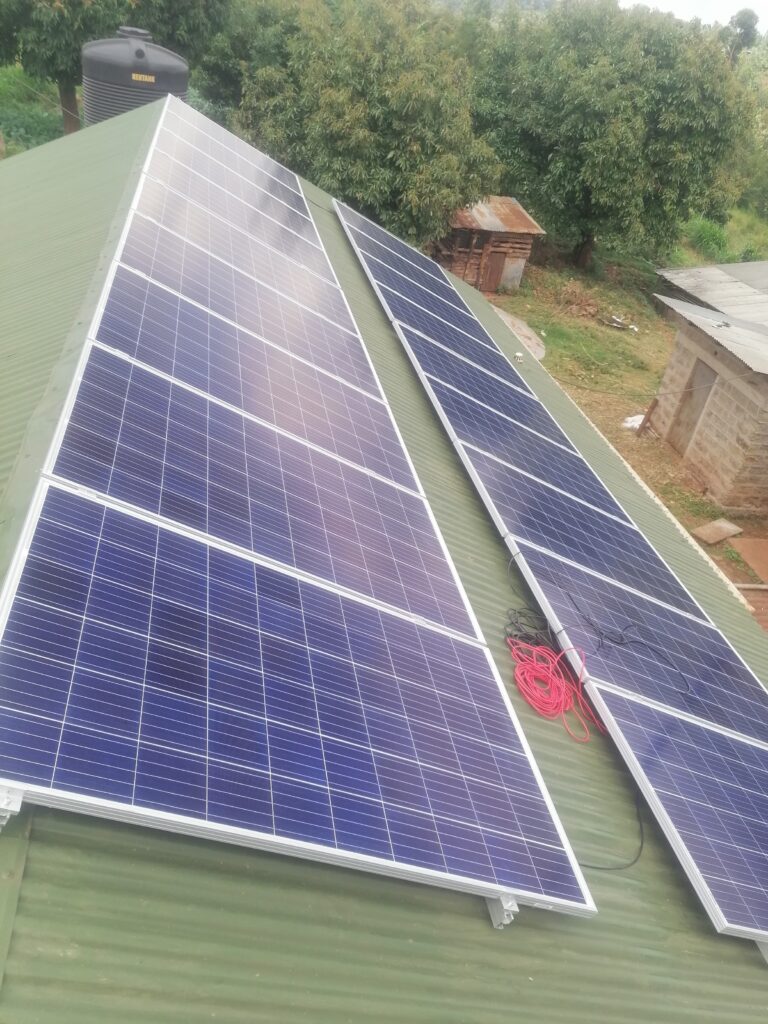
The biggest barrier to solar is rarely the technology. It is the upfront cost. A solar system can save money for 25 years, but the money is needed on day one. That is why solar financing options matter so much. The right structure can turn a large capital purchase into a manageable monthly payment, or

Soil Boring and Drilling Methods Compared
Geotechnical Works

Soil Boring and Drilling Methods Compared

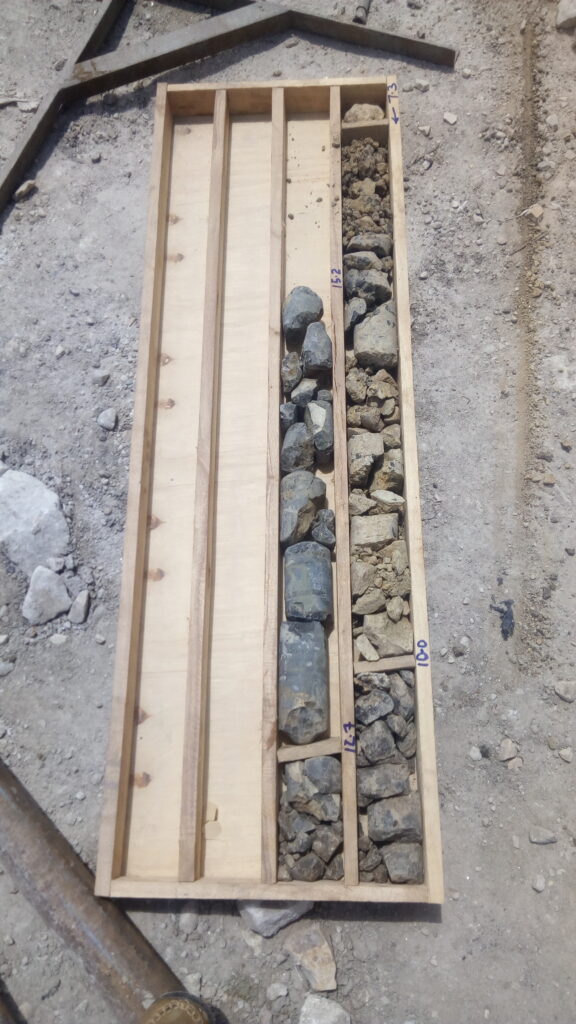
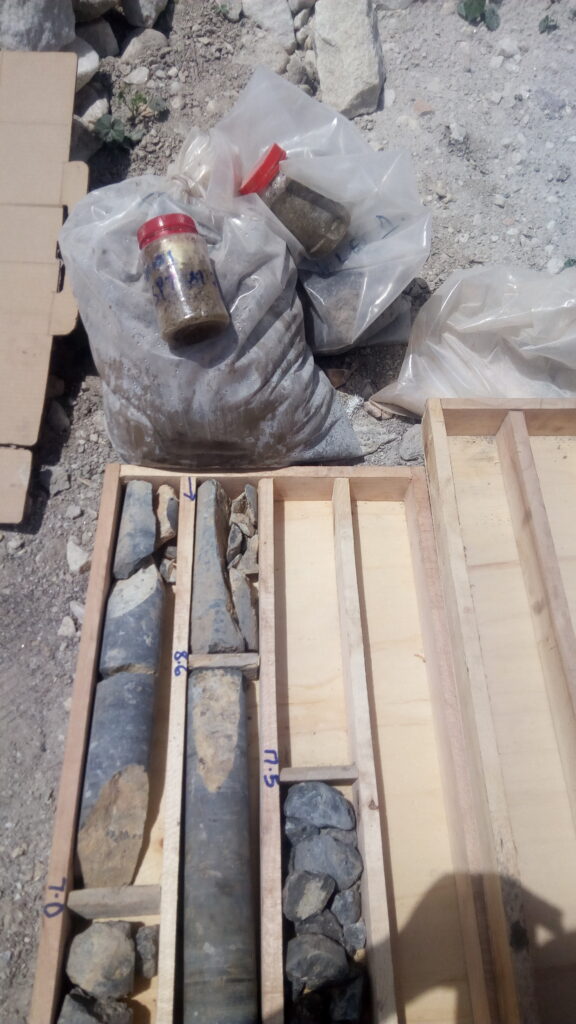
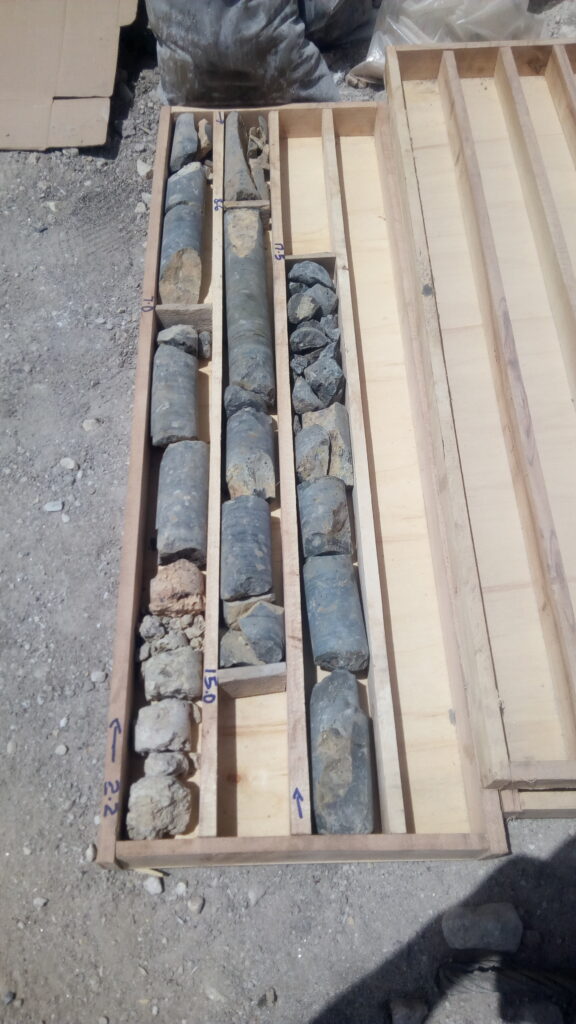
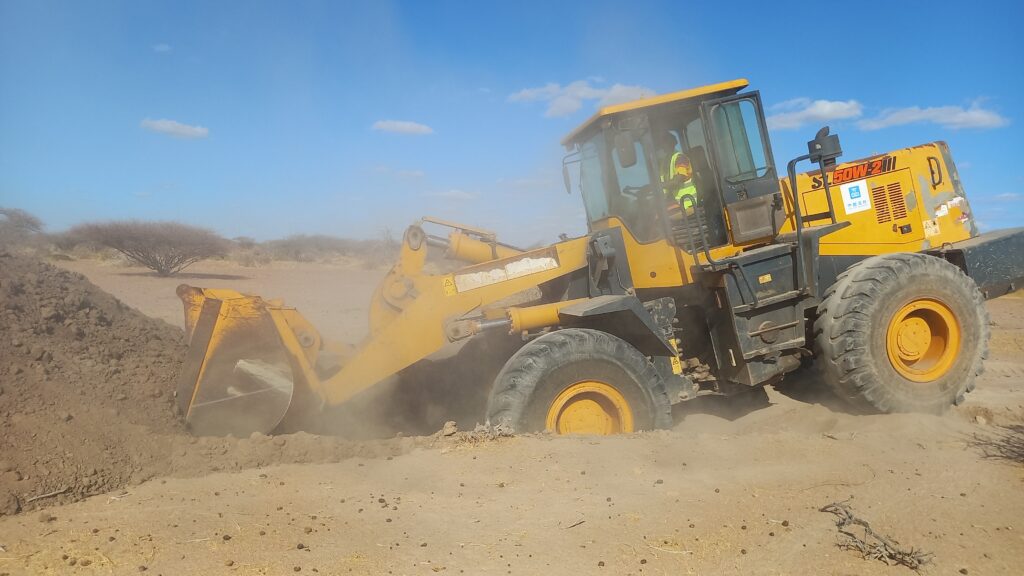
Every building, road, bridge or dam starts with one question: what is under the ground? Soil boring and drilling are how engineers answer it. The method you choose controls the quality of samples, the depth you can reach, the cost of the investigation and, ultimately, how reliable your foundation design will be. A cheap boring

Laboratory Soil Tests
Geotechnical Works

Laboratory Soil Tests

Field investigations tell you where the soil layers are. Laboratory tests tell you how those soils will behave under load, water and compaction. Four test groups form the backbone of most geotechnical reports: Atterberg limits, compaction tests, the California Bearing Ratio (CBR) and shear strength tests. This article explains what each test measures, how it

Black Cotton Soil: Problems and Foundation Solutions
Geotechnical Works

Black Cotton Soil: Problems and Solutions

Few ground conditions cause as much repeated damage to light buildings, roads and boundary walls in East Africa as black cotton soil. Homeowners notice cracks that widen in the dry season, doors that jam after the rains, and floors that lift. Behind these symptoms is a clay that swells and shrinks with moisture. This guide

Shallow vs Deep Foundations
Geotechnical Works

Shallow vs Deep Foundations

A foundation has one job: transfer building loads safely into the ground without excessive settlement or failure. Whether that is done with a simple pad footing or a 30-metre pile depends almost entirely on what lies beneath the site. Soil data, not preference or habit, should drive the decision. This article explains the main types

Bearing Capacity of Soil
Geotechnical Works

Bearing Capacity of Soil

Bearing capacity is the ability of soil to support loads from a foundation without shear failure or excessive settlement. It is one of the first numbers a structural engineer asks for, because it sets the size of footings and decides whether a shallow foundation is feasible. This article explains the key definitions, the classical calculation

pile foundation
Geotechnical Works

Pile Foundations: Types, Design and Load Testing

When surface soils are too weak, compressible or exposed to scour, engineers turn to piles. A pile is a slender structural element, made of concrete, steel or timber, that transfers loads to deeper, stronger ground. Piles support bridges, high-rise buildings, jetties, industrial plants and lightweight structures on bad ground. This article explains the main pile

Slope Stability Assessment
Geotechnical Works

Slope Stability Assessment

Slopes fail when the forces trying to move soil or rock downhill exceed the strength holding it in place. The consequences range from cracked roads to destroyed homes and loss of life. In Kenya’s highlands, along road cuttings in the Rift Valley escarpment, in mountainous regions of Uganda and Ethiopia, and in many hilly cities

Retaining Wall Design:
Geotechnical Works

Retaining Wall Design:

Retaining walls hold back soil where the ground level changes abruptly: along roads, basements, terraces, bridge abutments and slopes. A wall that is too light, poorly drained or founded on weak soil can tilt, slide or collapse, often during heavy rain. This article explains the main wall types, how earth pressures are calculated, and the

What a Geotechnical Report Contains
Geotechnical Works

What a Geotechnical Report Contains?

A geotechnical report is the document that translates the ground beneath your project into information that designers, contractors and owners can use. It can run from 15 to several hundred pages and is full of logs, tables, charts and technical terms. Yet it often drives major decisions: foundation type, excavation method, cost and risk. This

Ground Improvement Techniques for Weak Soils
Geotechnical Works

Ground Improvement Techniques for Weak Soils

Not every site comes with strong ground. Soft clays, loose sands, peat, uncontrolled fill and expansive soils can make foundations expensive or unsafe. Instead of always moving to deep piles, engineers can improve the ground itself, increasing its strength, reducing its compressibility or controlling its permeability. This article explains the most common ground improvement techniques,

Settlement and Consolidation: Why Buildings Crack
Geotechnical Works

Settlement and Consolidation: Why Buildings Crack

Few things worry a building owner more than a new crack in a wall. While some cracks are harmless shrinkage in plaster or concrete, others signal that the ground under the building is moving. The most common ground-related cause is settlement: the downward movement of a structure as the soil beneath it compresses. This article

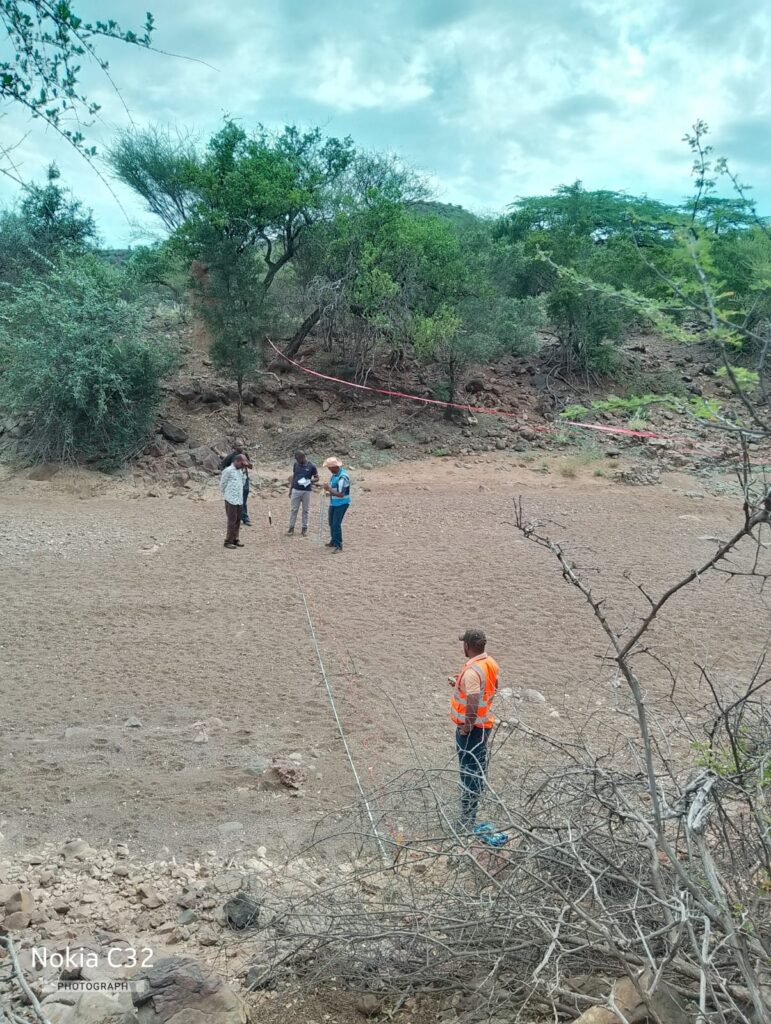
Geophysical Surveys in Site Investigation
Geotechnical Works

Geophysical Surveys in Site Investigation

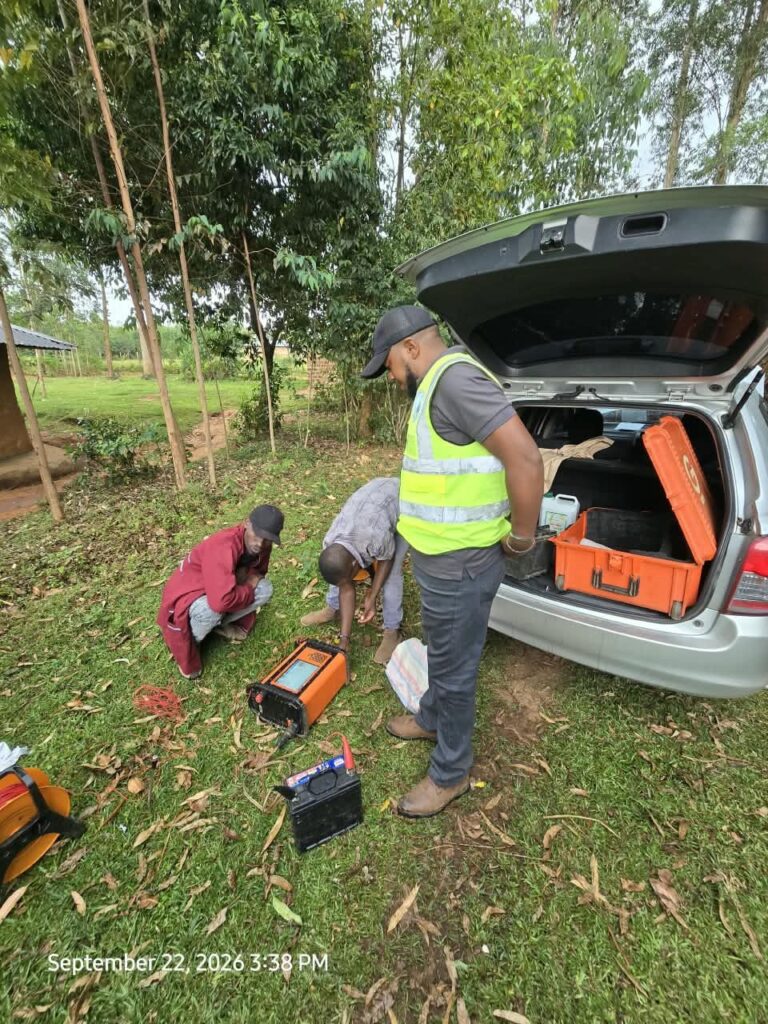
Boreholes tell you exactly what is at one point, but the ground between boreholes is guesswork. Bedrock may dip suddenly, a buried channel may cross the site, or a cavity may sit beneath the proposed foundation, all unseen by widely spaced drilling. Geophysical surveys fill these gaps by measuring physical properties of the ground from

Scroll to Top