
Kenya, like many other developing nations, faces significant challenges in ensuring reliable access to clean and sustainable water sources. With frequent power shortages, rising fuel prices, and the high cost of grid connections in rural areas, traditional water pumping methods have become unsustainable for many communities. In this context, solar water pumping systems have emerged as a transformative solution — offering energy efficiency, affordability, and environmental sustainability.
As the country continues to embrace renewable energy under its Vision 2030 and National Energy Policy, solar-powered pumping systems are becoming central to the future of water supply, agriculture, and rural development.
What Are Solar Water Pumping Systems?
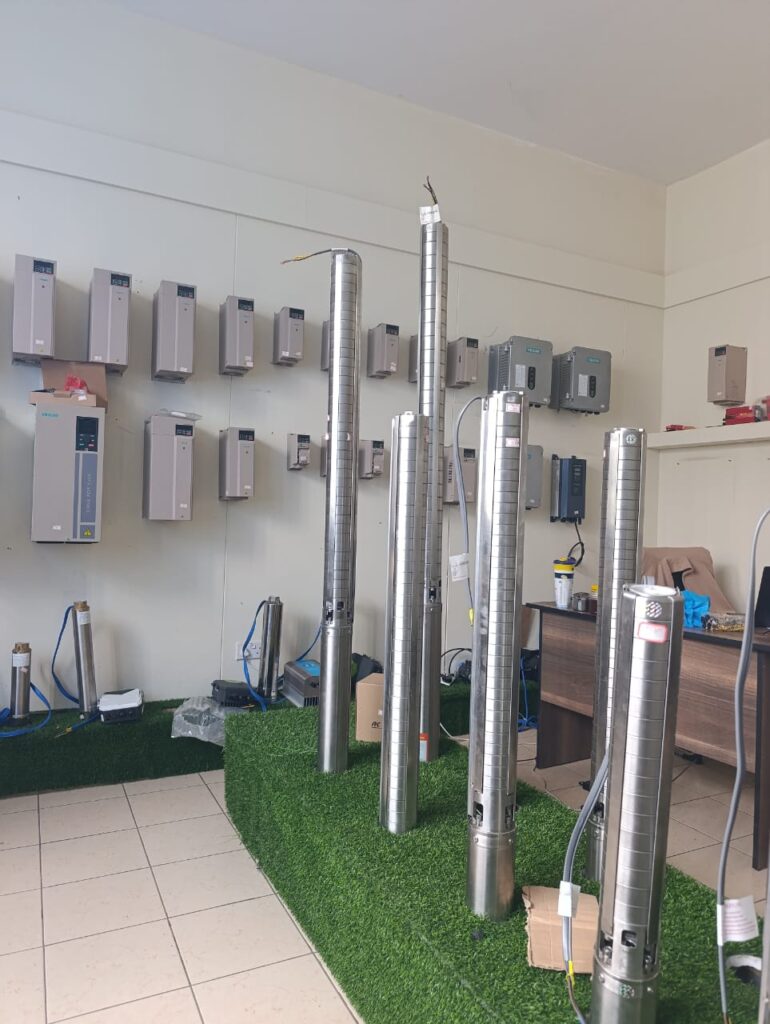
A solar water pumping system (SWPS) uses photovoltaic (PV) panels to convert sunlight into electricity, which then powers a water pump. The system typically consists of:
-
Solar panels: Capture sunlight and convert it into DC electricity.
-
Pump controller or inverter: Regulates the power supply to the pump.
-
Water pump: Can be submersible (for boreholes) or surface-based.
-
Storage system: Often includes water tanks to store water for use when sunlight is unavailable.
Unlike diesel or electric pumps, solar water pumps are clean, quiet, and cost-effective over their lifespan.
The Growing Demand for Solar Pumping in Kenya
Kenya’s geographical position near the equator gives it high solar potential, receiving an average of 4–6 kWh/m² of solar radiation daily. This abundant sunlight makes the country ideal for solar applications.
Several factors are driving the increased adoption of solar pumping systems:
-
Government Support: Through initiatives such as the Kenya Off-Grid Solar Access Project (KOSAP) and partnerships with organizations like the World Bank, the government is promoting solar technology to power water access and irrigation in underserved regions.
-
Rising Energy Costs: Electricity tariffs and fuel prices continue to increase, making solar energy a more economical alternative.
-
Water Accessibility Challenges: With unpredictable rainfall and groundwater depletion, efficient water management using solar systems ensures consistent water supply for both domestic and agricultural use.
-
Environmental Sustainability: Solar systems emit no greenhouse gases, supporting Kenya’s commitment to green energy and climate resilience.
Applications of Solar Water Pumping Systems
Solar water pumps are versatile and can be used across various sectors:
-
Agriculture and Irrigation: Farmers use solar pumps to draw groundwater for crop irrigation, enabling year-round farming and increased productivity.
-
Community Water Supply: Rural areas and schools benefit from borehole-based solar pumps that provide clean water for daily use.
-
Livestock Watering: In pastoral regions, solar pumps supply water to animals during dry seasons.
-
Industrial and Commercial Use: Small industries and institutions integrate solar pumping to reduce operational costs.
Advantages of Solar Water Pumping Systems
-
Cost Savings: After the initial installation, solar pumps have minimal operating costs since they rely on free solar energy.
-
Low Maintenance: With fewer moving parts, solar systems require little maintenance and have long service lives.
-
Energy Independence: Communities in remote or off-grid areas can access reliable water without relying on national electricity grids.
-
Environmental Protection: No fuel consumption, no emissions, and minimal ecological impact.
-
Scalability: Systems can be designed to meet different capacities, from small households to large-scale agricultural projects.
Challenges and Possible Solutions
Despite their benefits, solar water pumping systems face several challenges in Kenya:
-
High Initial Costs: The upfront investment can be a barrier for small-scale farmers. Solution: Increased access to green financing, subsidies, and pay-as-you-go models can help.
-
Technical Expertise: Lack of skilled technicians can affect installation quality. Solution: Training programs and partnerships with engineering firms like Geovista Engineering can address this.
-
Water Resource Management: Over-pumping can deplete groundwater. Solution: Integrating smart controllers and sustainable usage policies is key.
The Role of Geovista Engineering in Kenya’s Solar Water Revolution
Geovista Engineering and Consulting Limited is at the forefront of implementing solar water pumping technologies across Kenya. By combining engineering innovation with environmental responsibility, the company designs, installs, and maintains high-efficiency solar systems that meet client needs.
Geovista’s services include:
-
Feasibility studies and site assessments
-
Design and installation of solar pumping systems
-
Maintenance, monitoring, and performance optimization
-
Integration with water storage and treatment solutions
With a team of qualified engineers, Geovista ensures that every solar installation delivers maximum performance, reliability, and sustainability.
The Future Outlook
The future of solar water pumping systems in Kenya is bright. With continuous technological improvements, declining solar equipment costs, and supportive government policies, adoption will continue to grow rapidly.
In the coming years, smart solar systems — integrating remote monitoring, data analytics, and automation — will further enhance efficiency and management. This transition will empower farmers, communities, and industries to achieve water security, energy independence, and sustainable growth.
Solar water pumping systems represent the next frontier of sustainable water management in Kenya. By replacing fossil fuel-based systems with clean solar technologies, the country can achieve greater agricultural productivity, improved living standards, and reduced environmental impact.
As Kenya moves toward a greener future, engineering firms like Geovista Engineering and Consulting Limited will play a vital role in designing and implementing systems that power progress — one solar pump at a time.
